




Henoch-Schönlein Purpura in Adults and Children: Symptoms and Care
Henoch-Schönlein Purpura (HSP), also known as IgA vasculitis, is a rare but important condition that causes inflammation of the small blood vessels (vasculitis) and is most commonly seen in children but can also affect adults. At IRIS Clinics, we treat both pediatric and adult patients with HSP, providing timely diagnosis and comprehensive care to reduce complications. The disease is marked by its characteristic skin rash, joint pain, abdominal discomfort, and, in some cases, kidney involvement, making early detection and treatment essential.
Unlike many other conditions, HSP occurs when the immune system produces an abnormal immune response, often following an infection such as an upper respiratory illness. The immune system mistakenly attacks the walls of small blood vessels, causing them to become inflamed and leak. This leads to the classic purplish rash (purpura) and other symptoms. Though many cases resolve on their own, untreated or severe cases can lead to kidney problems, gastrointestinal bleeding, or long-term complications. This makes professional evaluation at a specialty clinic like IRIS Clinics highly recommended.
At IRIS Clinics, our rheumatology and nephrology experts work together to provide a clear diagnosis of HSP through detailed history-taking, blood and urine tests, and imaging if needed. Early and accurate assessment ensures patients, especially children, are monitored closely to avoid serious outcomes.
Symptoms can vary depending on the patient’s age and severity of the condition. In children, HSP often resolves within weeks, but adults are more likely to develop complications, particularly related to the kidneys. The main symptoms include purplish spots on the skin, usually on the lower legs and buttocks, joint pain and swelling, abdominal pain, vomiting, blood in the urine or stool, and sometimes fever. Monitoring these symptoms and understanding when to seek care are critical for both parents and adult patients.
Since HSP can mimic other conditions, IRIS Clinics uses advanced diagnostics to differentiate it from other vasculitic and autoimmune diseases. We recommend regular follow-ups, especially when kidney involvement is suspected, as ongoing evaluation helps in early detection of protein or blood in urine, which may require treatment adjustments. Our integrated care model ensures that patients receive not just symptomatic relief but also preventive care to avoid recurrence or complications.
Key Symptoms of HSP in Adults and Children
Understanding the common signs of Henoch-Schönlein Purpura helps families and patients recognize when medical intervention is needed. Here’s how HSP usually presents:
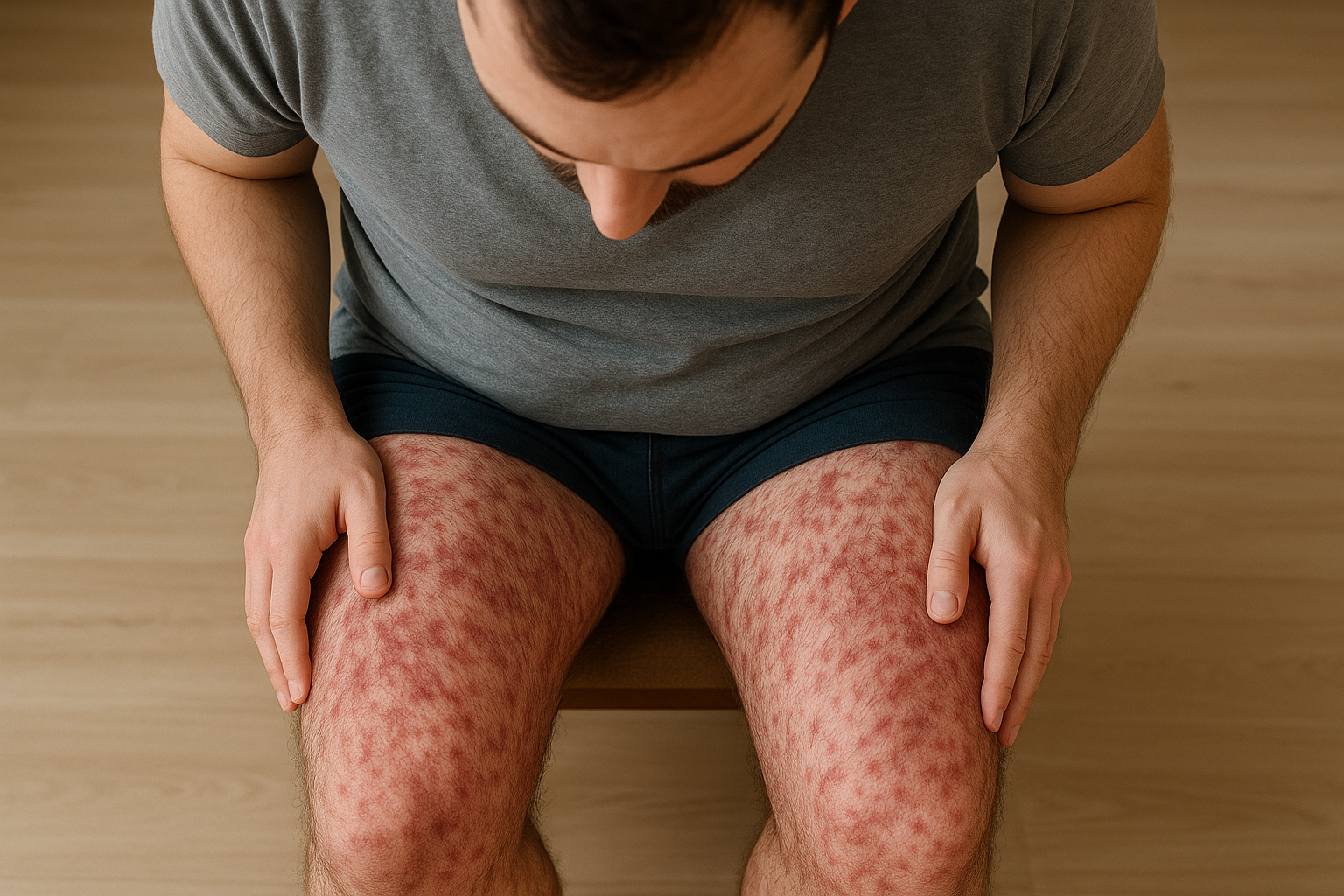
1. Skin Rash (Purpura)
- Raised, reddish-purple spots, usually on the legs, feet, and buttocks.
- Spots do not blanch (turn white) when pressed and may merge to form larger patches.
- In adults, rashes can appear more severe and persistent.
2. Joint Pain and Swelling
- Pain and stiffness in the knees, ankles, and elbows are common.
- Younger children may limp or refuse to walk due to discomfort.
- Symptoms usually improve with rest but can recur during flare-ups.
3. Abdominal and Gastrointestinal Symptoms
- Colicky abdominal pain, nausea, vomiting, or blood in stools.
- Severe cases may present with intestinal swelling or, rarely, intussusception (bowel telescoping).
- Adults may experience more prolonged or severe abdominal symptoms.
4. Kidney Involvement
- Blood or protein in urine is an important sign, particularly in adults.
- Mild cases resolve spontaneously, but some require close nephrology care.
- Early detection prevents progression to long-term kidney disease.
While many children recover fully without lasting effects, adults may need longer monitoring due to higher risk of kidney damage. At IRIS Clinics, treatment plans are personalized based on age, symptom severity, and lab findings. We focus on supportive care such as pain management, hydration, and monitoring, along with medications like corticosteroids in more severe cases. Parents and adult patients are educated about warning signs and follow-up schedules to ensure safety and long-term health.
The prognosis for HSP is generally favorable in children, but recurrence can occur. Adults are advised to have regular urine and blood pressure checks for several months after the first episode. Our team emphasizes patient education, preventive care, and coordination with specialists to achieve the best outcomes for all age groups.