
Dermatomyositis

  • Home
  • Treatments
  • Autoimmune Rheumatic Diseases
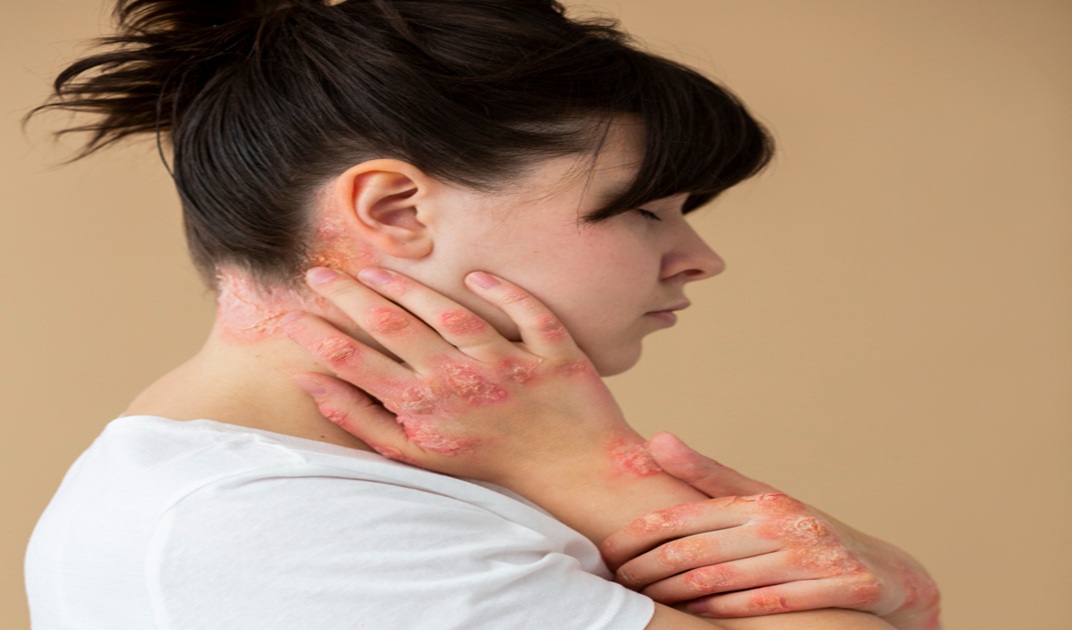
Dermatomyositis disease Image
Dermatomyositis

Controlling Dermatomyositis for Better Living

Dermatomyositis is a rare inflammatory autoimmune disease that primarily affects the skin and muscles. It causes progressive muscle weakness and distinctive skin rashes, most commonly over the face, chest, knuckles, and shoulders. The condition can affect both adults and children but is more common in women between 40 and 60 years of age. If left untreated, it can lead to difficulty performing daily activities. Its cause is unknown, but genetic and immune factors are believed to play a role. Early diagnosis is key to reducing complications and improving function.

Additional symptoms may include trouble climbing stairs, fatigue, difficulty swallowing, or shortness of breath. Treatment typically includes corticosteroids, immunosuppressants, and physical therapy. Skin care may involve sun protection and topical treatments. Ongoing monitoring is essential to adjust medications, evaluate organ involvement, and support long-term strength and mobility.
Dermatomyositis symptoms

Dermatomyositis Symptoms

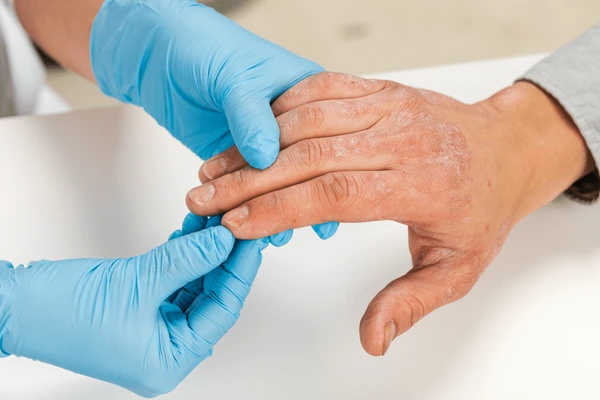
Dermatomyositis is an inflammatory autoimmune condition that affects both the skin and muscles, leading to characteristic rashes and progressive muscle weakness if not treated early.

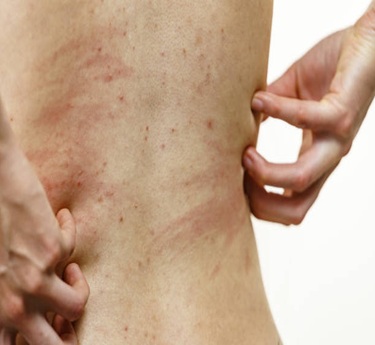
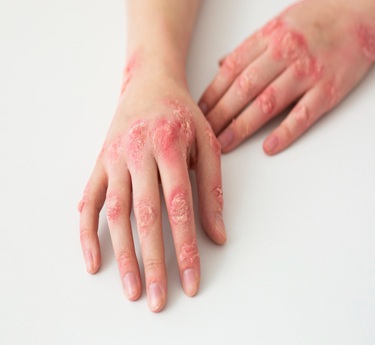
  • A violet or reddish-purple rash, often on the face, eyelids, knuckles, chest, or shoulders.
  • Progressive muscle weakness, especially in the hips, thighs, shoulders, and upper arms.
  • Fatigue and difficulty with physical tasks like climbing stairs or lifting objects.
  • Swollen and painful joints, which may resemble arthritis in some cases.
  • Trouble swallowing (dysphagia) due to inflammation in the esophageal muscles.

Diagnosis

Diagnosing Dermatomyositis involves evaluating muscle weakness, distinctive skin rashes, and confirming inflammation through blood tests, imaging, and sometimes biopsy.

  • Doctors assess skin changes such as heliotrope rash and Gottron’s papules.
  • Blood tests check for elevated muscle enzymes like CK and aldolase.
  • Autoantibody tests may reveal markers like anti-Mi-2 or anti-MDA5.
  • MRI scans detect inflammation and edema in affected muscle groups.
  • Electromyography (EMG) evaluates muscle function and detects abnormalities.
  • Muscle or skin biopsy confirms diagnosis by showing inflammation and damage.

Treatment Options

Although there is no cure for Dermatomyositis, timely and tailored treatments can help reduce inflammation, restore muscle strength, and improve skin symptoms over time.

  • Corticosteroids like prednisone are often the first line to reduce inflammation.
  • Immunosuppressants such as methotrexate or azathioprine control immune response.
  • Antimalarial drugs like hydroxychloroquine can help manage skin rashes.
  • Physical therapy supports muscle strength, flexibility, and daily function.
  • Regular monitoring helps adjust treatment based on symptoms and organ risk.

Therapy & Surgery

Rehabilitation therapies and supportive interventions play a key role in restoring strength, managing fatigue, and improving quality of life in Dermatomyositis.
  • Physical therapy helps regain muscle strength, enhance mobility, and prevent deconditioning.
  • Surgical procedures may be required for calcinosis, contractures, or swallowing issues.
  • Occupational therapy supports energy conservation, daily tasks, and adaptive strategies.
Dermatomyositis treatment in trivandrum
Dermatomyositis specialist