

Cervical Spondylosis Overview

  • Home
  • Treatments
  • Degenerative Joint Diseases
Cervical Spondylosis disease Image
Cervical Spondylosis

Relieving Cervical Spondylosis with Expert Care

Cervical Spondylosis is a common, age related condition affecting the neck, caused by wear and tear of the spinal discs and joints in the cervical spine. It is often associated with degenerative changes such as bone spurs, disc thinning, and loss of spinal flexibility. Most individuals over 40 experience some degree of cervical spondylosis, though not all develop symptoms. When present, symptoms can include neck pain, stiffness, headaches, and, in some cases, radiating pain or numbness in the arms due to nerve compression. Poor posture, previous neck injuries, and repetitive stress can contribute to its progression. Although degenerative, symptoms can often be managed effectively with early intervention and proper care.

There is no permanent cure for Cervical Spondylosis, but most patients achieve good relief through conservative treatments. These include physiotherapy, postural correction, cervical traction, and medications like pain relievers or muscle relaxants. In more severe cases, steroid injections or surgical options may be considered. Regular neck exercises, ergonomic adjustments, and lifestyle changes play a crucial role in long term symptom control. With a personalized treatment plan, many individuals maintain a pain free and active life.

Cervical Spondylosis symptoms

Cervical Spondylosis Symptoms

Cervical Spondylosis is a degenerative condition affecting the neck's vertebrae and discs, often leading to pain, stiffness, and nerve-related symptoms due to spinal wear and tear.

  • Chronic neck pain that may worsen with movement or prolonged sitting.
  • Stiffness in the neck, especially after sleep or long periods of inactivity.
  • Headaches, often originating from the neck and radiating to the back of the head.
  • Numbness, tingling, or weakness in the arms or hands due to nerve compression.
  • Grinding or popping sensation when turning the neck.
  • Loss of balance or coordination in severe cases.
  • Muscle spasms or tightness in the shoulders and upper back.
  • Fatigue or trouble sleeping due to persistent neck discomfort.
  • Limited range of motion in the neck or difficulty turning the head fully.

Diagnosis

Diagnosing Cervical Spondylosis involves a combination of physical examination, neurological assessment, imaging studies, and patient history to evaluate neck pain, stiffness, and any signs of nerve involvement.

  • Physical examination to assess neck movement, tenderness, and signs of nerve compression.
  • Neurological evaluation to check reflexes, muscle strength, and sensation in arms and hands.
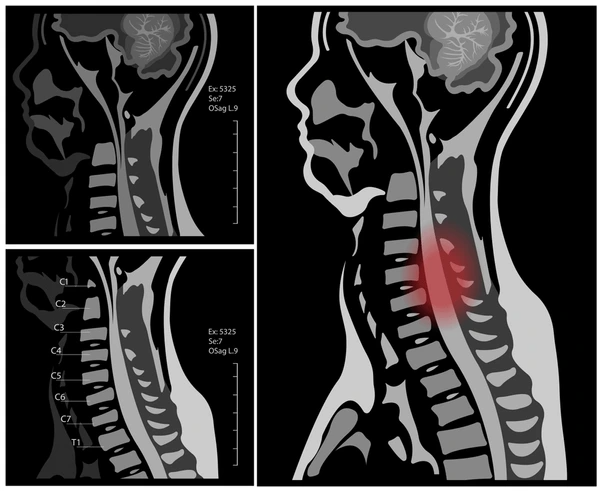
  • X-rays to detect bone spurs, disc space narrowing, or degenerative changes in the cervical spine.
  • MRI or CT scans may be used to assess disc herniation, spinal cord compression, or nerve root involvement.
  • Patient history helps identify contributing factors like poor posture, repetitive strain, or previous neck injury.

Treatment Options

Cervical Spondylosis treatment focuses on relieving pain, improving neck mobility, and preventing further degeneration through conservative therapies, medications, and lifestyle changes.

  • Pain relievers, anti-inflammatory drugs, or muscle relaxants help manage neck stiffness and discomfort.
  • Physiotherapy including cervical traction, neck strengthening, and stretching exercises improves mobility.
  • Postural training and ergonomic corrections reduce strain on the cervical spine.
  • In more severe cases, steroid injections or nerve blocks may be considered to reduce inflammation and nerve pain.
  • Surgical intervention is rarely needed but may be advised if there is persistent nerve compression or spinal cord involvement.

Therapy & Support

Supportive therapies are essential in managing Cervical Spondylosis by reducing neck pain, enhancing flexibility, and improving daily functioning and quality of life.

  • Physical therapy includes cervical traction, neck strengthening, and range-of-motion exercises.
  • Heat therapy, gentle massage, and relaxation techniques help ease muscle tension and pain.
  • Regular monitoring helps adjust treatment plans based on symptoms and prevent progression.
Cervical Spondylosis treatment in trivandrum
Cervical Spondylosis specialist