

Takayasu's Arteritis

  • Home
  • Treatments
  • Autoimmune Rheumatic Diseases
Takayasu's Arteritis disease Image
Takayasu's Arteritis

Controlling Inflammation in Takayasu's Arteritis

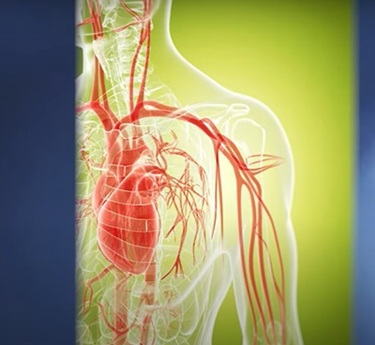
Takayasu's Arteritis is a rare, chronic inflammatory disease that affects the large arteries, especially the aorta and its major branches. The inflammation causes the artery walls to thicken, narrow, or become blocked, reducing blood flow to parts of the body. It most often affects young women and can lead to complications in the arms, brain, and heart. Takayasu’s Arteritis is an autoimmune condition, meaning the immune system attacks the body’s own blood vessels by mistake. It differs from atherosclerosis, which is caused by plaque buildup. In Takayasu’s Arteritis, inflammation leads to damage of the vessel walls, not fat deposits. If left untreated, it can lead to strokes, high blood pressure, or heart failure due to poor circulation.

The condition may also cause symptoms like fatigue, dizziness, chest pain, or absent pulses. Early diagnosis and treatment with corticosteroids or immunosuppressants can help control inflammation and avoid serious complications. Regular monitoring is key to managing disease progression and preserving vascular health.

Takayasu's Arteritis symptoms

Takayasu's arteritis Symptoms

Takayasu's Arteritis is a chronic inflammatory disease affecting large arteries like the aorta, leading to reduced blood flow, pain, and complications if not identified and treated in time.

  • Fatigue, fever, night sweats, and weight loss are early signs of Takayasu’s Arteritis.
  • Fatigue, fever, sweats, and weight loss are common early warning signs.
  • Muscle pain and tiredness may appear early with body discomfort.
  • Arm or leg weakness starts during walking, lifting, or physical activity.
  • Headaches, dizziness, or fainting occur with poor brain blood flow.
  • Pulse may feel weak or uneven between one arm and another.
  • Shortness of breath and chest pain happen in advanced disease stages.

Diagnosis

Diagnosing Takayasu’s Arteritis can be complex, as early symptoms mimic other vascular or autoimmune diseases.

  • Doctors check pulse strength and compare blood pressure in both arms during examination.
  • Blood tests detect signs of inflammation and anemia linked with vessel damage.
  • Angiography uses contrast dye and X-rays to visualize narrowed or blocked arteries.
  • MRA and CTA scans provide detailed blood vessel images without using invasive procedures.
  • PET or Doppler ultrasound can assess inflammation and vessel wall changes effectively.

Treatment Options

Although Takayasu’s Arteritis has no permanent cure, early treatment can help reduce inflammation and prevent damage.

  • Corticosteroids like prednisone reduce inflammation but may cause bone loss or weight gain long term.
  • Immunosuppressants like methotrexate or azathioprine help control symptoms and support disease management.
  • Drugs like mycophenolate or leflunomide are used when steroids alone are not effective enough.
  • Biologic agents such as tocilizumab or infliximab may help when other treatments do not work.
  • Treatment plans are tailored to control symptoms and reduce long-term artery inflammation and damage.

Therapy & Surgery

Physical therapy and, when needed, surgery can improve circulation, mobility, and manage symptoms when medication isn't enough.
  • Therapists recommend gentle movement to boost flexibility, circulation, and safe daily function.
  • Surgical options like angioplasty or bypass restore blood flow in narrowed arteries.
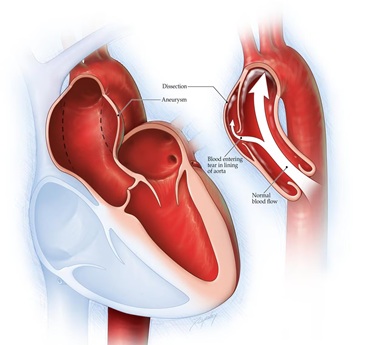
  • Valve repair or replacement may be needed if the aortic valve becomes damaged.
Takayasu's Arteritis treatment in trivandrum
Takayasu's Arteritis specialist image