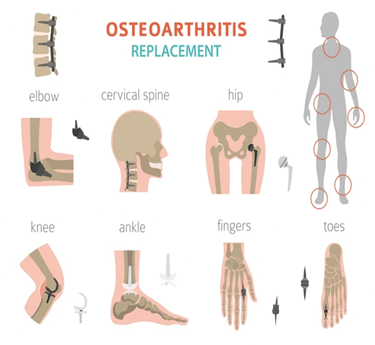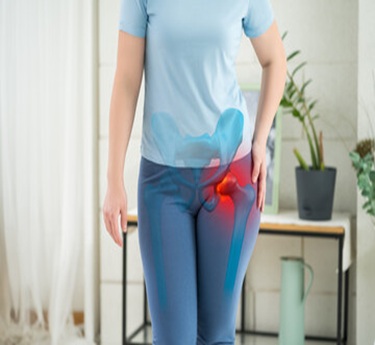

Osteoarthritis is the most common form of arthritis, caused by the gradual wear and tear of cartilage that cushions the ends of bones in a joint. This degeneration leads to joint pain, stiffness, swelling, and decreased mobility. It most often affects the knees, hips, hands, and spine. Individuals may notice worsening symptoms with activity and improvement with rest. As the condition progresses, joint function may become increasingly limited, impacting daily activities and quality of life. Osteoarthritis develops slowly over time and is more common in older adults, particularly those over the age of 45.
Although there is no cure for Osteoarthritis, symptoms can be effectively managed through a combination of lifestyle changes, medication, and supportive therapies. Treatment typically includes pain relievers, anti-inflammatory medications, physical therapy, and weight management to reduce joint stress. Assistive devices and orthotics may help support affected joints. Low-impact exercises like swimming or cycling can maintain flexibility and strength. In more advanced cases, intra-articular injections such as corticosteroids or hyaluronic acid may be recommended.
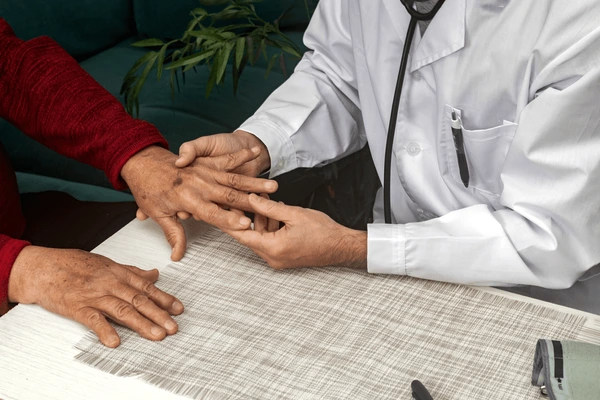
Osteoarthritis is a degenerative joint condition caused by the breakdown of cartilage, leading to pain, stiffness, and reduced mobility. It commonly affects weight-bearing joints like the knees, hips, and spine, as well as the hands.
Diagnosing Osteoarthritis involves a combination of clinical evaluation, imaging studies, and review of patient history to assess joint degeneration, cartilage loss, and functional limitations.
Treatment for Osteoarthritis focuses on relieving joint pain, improving mobility, and slowing the progression of joint damage using conservative therapies and lifestyle modifications.
Supportive therapies play a vital role in managing Osteoarthritis by alleviating joint pain, maintaining mobility, and preventing further joint degeneration through structured rehabilitation.