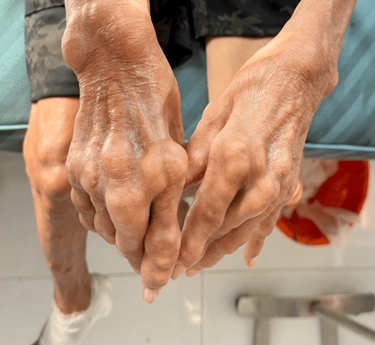

Gout and Calcium Pyrophosphate Deposition (CPPD) Arthropathy are common crystal induced joint disorders. Gout results from uric acid buildup forming crystals in joints, while CPPD involves calcium pyrophosphate crystals. Both conditions cause sudden joint pain, swelling, and inflammation. Gout is more common in men over 40, while CPPD often affects older adults. Triggers include diet, dehydration, kidney issues, and joint trauma. Early diagnosis and management help prevent recurrent flares and joint damage, improving mobility and quality of life.
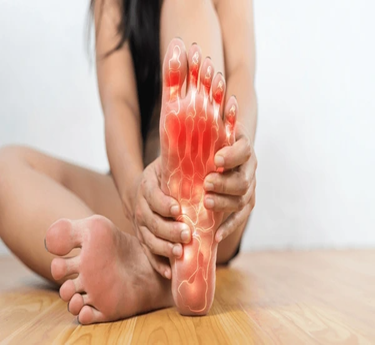
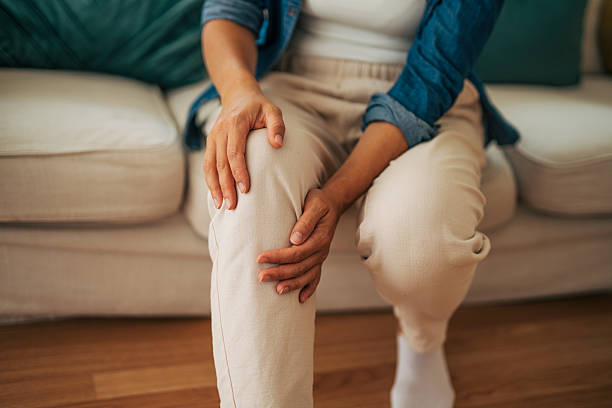
Common symptoms include intense joint pain, redness, warmth, and swelling often starting in the big toe (gout) or knees (CPPD). Treatment typically involves anti inflammatory medications, colchicine, and corticosteroids. Long-term gout care may include urate lowering therapy. CPPD treatment may involve joint aspiration and supportive care. Lifestyle changes, hydration, and regular follow up help reduce attacks and preserve joint health.

Gout and Calcium Pyrophosphate Deposition (CPPD) Arthropathy are joint disorders caused by crystal buildup, leading to sudden inflammation, pain, and swelling in one or more joints.
Diagnosing Gout and CPPD Arthropathy involves clinical examination, joint fluid analysis, blood tests, and imaging to identify crystal deposits and rule out other causes of joint pain.
Although there is no cure for Gout or CPPD, targeted treatment can relieve flares, lower risk of recurrence, and protect joints from long-term damage.
Supportive therapies and routine care help relieve pain, protect joints, and improve mobility in Gout and CPPD Arthropathy.