

Reactive Arthritis

  • Home
  • Treatments
  • Autoimmune Rheumatic Diseases
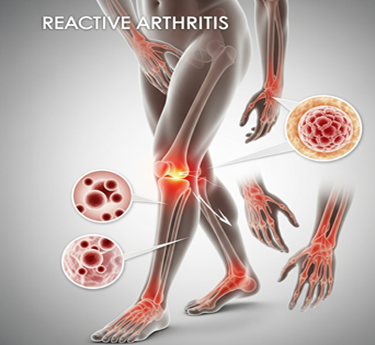
Reactive Arthritis disease Image
Reactive Arthritis

Understanding and Treating Reactive Arthritis

Reactive Arthritis is a type of inflammatory arthritis that develops in response to an infection, typically in the urinary tract, genitals, or intestines. It most often affects the joints, eyes, and urinary tract. The condition is more common in men between the ages of 20 and 40. Symptoms may include joint pain, swelling, and redness, especially in the knees, ankles, and feet. It is not contagious, but is triggered by a prior infection. Bacterial infections such as chlamydia or salmonella are common causes. Without proper care, reactive arthritis can become chronic or lead to joint stiffness and discomfort.

Other symptoms may include painful urination, eye redness, skin rashes, or heel pain. Early diagnosis and treatment with anti-inflammatory drugs, antibiotics, and physical therapy can relieve symptoms and prevent complications. Ongoing monitoring is important to manage flares and preserve joint function and mobility.

Reactive Arthritis symptoms

Reactive Arthritis Symptoms

Reactive Arthritis is a type of autoimmune arthritis that develops after certain infections, affecting the joints, eyes, and urinary tract, and may cause inflammation, discomfort, and complications if untreated.

  • Joint pain, stiffness, and swelling often begin in knees or ankles.
  • Heel pain or lower back discomfort can worsen with daily movement.
  • Red eyes or blurred vision may signal eye inflammation or conjunctivitis.
  • Burning urination or pelvic pain can occur during or after infection.
  • Skin rashes or mouth sores may appear on feet, hands, or lips.
  • Swollen fingers or toes may resemble sausage-like shapes or feel stiff.
  • Fatigue, fever, or weight loss can accompany other visible symptoms.

Diagnosis

Diagnosing Reactive Arthritis can be difficult, as its symptoms overlap with others.

  • Doctors examine joints, spine, eyes, and skin for swelling or rashes.
  • Blood tests may reveal infections, inflammation, or arthritis-related antibodies.
  • Joint fluid is tested for white cells, bacteria, or uric acid crystals.
  • Genetic testing may check for HLA-B27 marker linked to reactive arthritis.
  • Imaging scans such as pelvic X-rays can reveal joint or spine inflammation.

Treatment Options

While Reactive Arthritis cannot be cured, timely treatment can reduce pain and control inflammation.

  • NSAIDs such as naproxen help manage joint discomfort, swelling, and mild reactive arthritis symptoms.
  • Antibiotics may be given if a triggering infection like chlamydia or salmonella is still active.
  • Steroid medications reduce severe inflammation and may be injected into painful or swollen joints.
  • Immunosuppressants such as sulfasalazine can control persistent symptoms and chronic joint damage progression.
  • Biologic agents like infliximab may help patients unresponsive to standard drugs or conventional therapies.

Therapy & Surgery

Physical therapy and, in some cases, surgery can restore mobility, ease pain, and address joint-related damage.

  • Therapists recommend stretches to relieve stiffness, strengthen muscles, and support joint health.
  • Surgical procedures may help correct tendon damage or relieve pressure from swollen joints.
  • Joint drainage or fusion may be considered in cases of persistent pain or joint deformity.
Reactive Arthritis treatment in trivandrum
Reactive Arthritis specialist