
Myofascial Pain Syndromes

  • Home
  • Treatments
  • Degenerative Joint Diseases
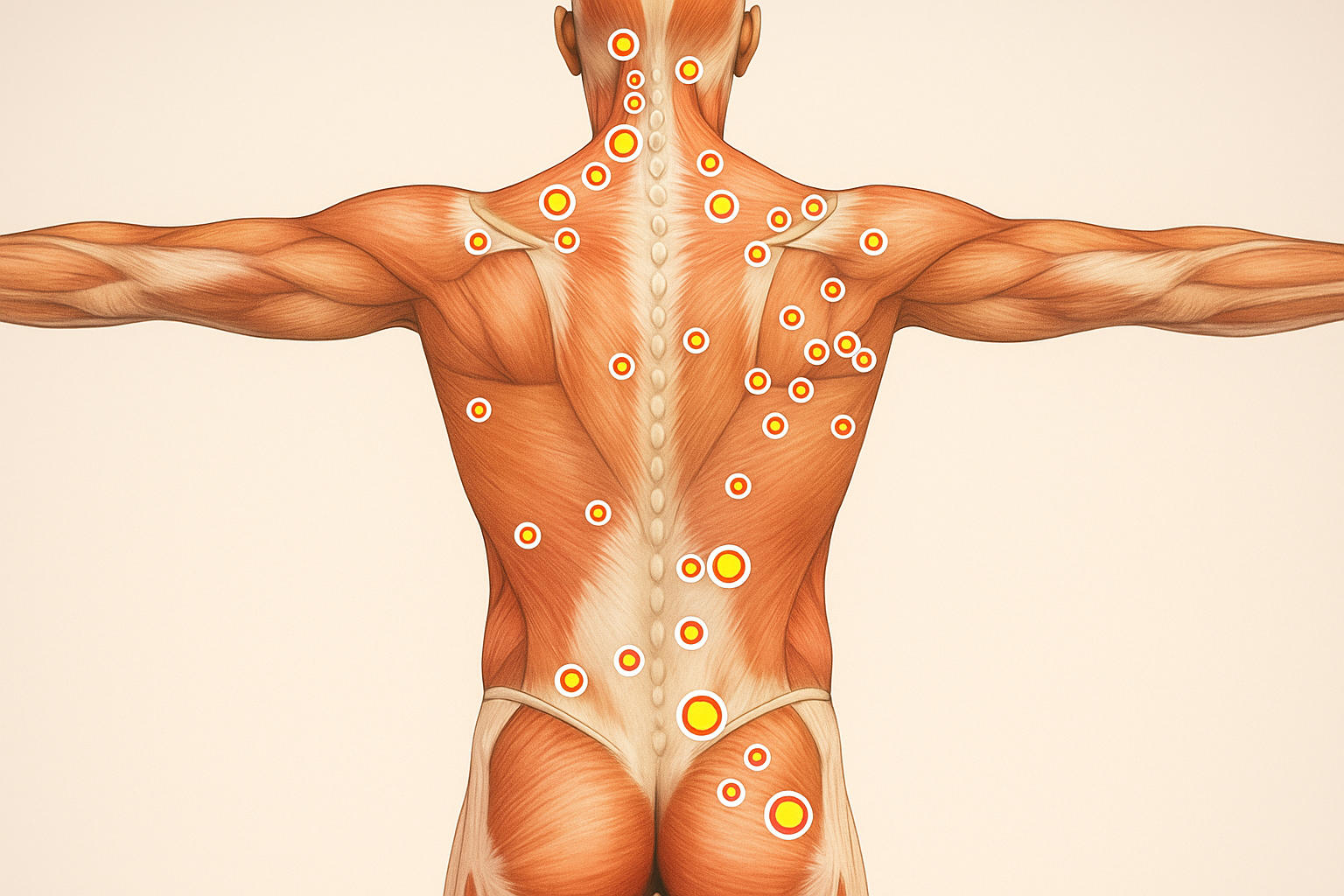
Myofascial Pain Syndromes disease Image
Myofascial Pain Syndromes

Relieving Myofascial Pain with Expert Care and Understanding

Myofascial Pain Syndrome (MPS) is a chronic pain condition characterized by localized muscle pain and the presence of trigger points—tight knots within muscle tissue that cause referred pain. The condition may result from muscle overuse, stress, poor posture, or repetitive strain. It can affect one or several muscle groups and is more common in adults, particularly those under physical or emotional stress. Pain may be constant or worsen with activity or pressure on the trigger points, and patients often report sleep disturbances or stiffness in the affected areas. Unlike systemic pain conditions, MPS is localized and may be reversible with early and targeted treatment interventions.

While there is no single cure for Myofascial Pain Syndrome, effective symptom management involves a mix of physical therapy, trigger point release techniques, and sometimes medications. Treatments may include muscle relaxants, dry needling, massage therapy, and postural correction exercises. Stress reduction, ergonomic modifications, and consistent follow-up can significantly improve pain control. With a structured and individualized plan, many patients find relief and can resume daily activities with improved comfort and mobility.

Myofascial Pain Syndromes symptoms

Myofascial Pain Syndrome Symptoms

Myofascial Pain Syndrome (MPS) is a chronic musculoskeletal condition marked by regional muscle pain, stiffness, and the presence of trigger points—tight, sensitive muscle knots.

  • Localized muscle pain that may radiate from specific trigger points in the body.
  • Persistent aching or deep, dull discomfort that worsens with pressure or activity.
  • Sleep disturbances and fatigue due to chronic pain and disrupted rest cycles.
  • Limited range of motion or muscle stiffness in affected areas, especially after rest.
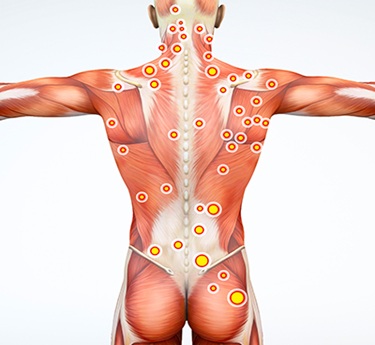
  • Tender knots or taut bands in the muscle that produce referred pain when touched.

Diagnosis

Diagnosing Myofascial Pain Syndrome is based on clinical evaluation, identification of trigger points, exclusion of other causes, and patient history of regional muscle pain and tenderness.

  • Doctors examine for regional muscle pain and localized areas of tenderness or tightness.
  • Palpation is used to detect trigger points that cause referred or radiating pain patterns.
  • A complete history checks for contributing factors like overuse, injury, or poor posture.
  • Lab tests may be done to exclude inflammatory or systemic conditions with similar symptoms.
  • Pain mapping and pressure testing help assess trigger point sensitivity and response.
  • Imaging is not diagnostic but may be used to rule out structural or orthopedic causes.

Treatment Options

Myofascial Pain Syndrome treatment aims to relieve muscle tension, deactivate trigger points, and restore mobility through physical therapies, medications, and lifestyle adjustments.

  • Trigger point injections or dry needling help release tight muscle bands and reduce pain.
  • Pain relievers, muscle relaxants, or antidepressants may be used to manage chronic symptoms.
  • Posture correction, ergonomic support, and stretching routines improve muscular function.
  • Massage therapy, ultrasound, or TENS therapy ease muscle knots and reduce discomfort.
  • Consistent follow-up and physical reconditioning prevent recurrence and support recovery.

Therapy & Support

Supportive therapies play a key role in managing trigger points, relieving muscle tightness, and improving movement and quality of life in Myofascial Pain Syndromes.

  • Physical therapy includes stretching, myofascial release, and targeted strengthening exercises.
  • Relaxation methods like heat therapy, massage, and breathing techniques help reduce tension.
  • Ongoing assessment ensures early response to flare-ups and customizes therapy approaches.
Myofascial Pain Syndromes treatment in trivandrum
Myofascial Pain Syndromes specialist