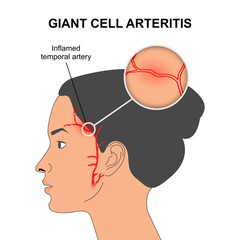

Giant Cell Arteritis (GCA) and Polymyalgia Rheumatica (PMR) are related inflammatory conditions that primarily affect older adults. GCA causes inflammation in the blood vessels, especially the temporal arteries, while PMR results in stiffness and pain in the shoulders and hips. These conditions are more common in women over the age of 50. If left untreated, GCA can lead to serious complications like vision loss. Although the exact cause is unknown, immune system dysfunction is believed to be a key factor. Early recognition and treatment are critical to prevent long-term damage and restore function.
Common symptoms include new-onset headache, jaw pain when chewing, fatigue, scalp tenderness, and shoulder stiffness. Prompt treatment with corticosteroids is essential to reduce inflammation and protect vision. Additional therapies may include immunosuppressants and low-dose aspirin. Regular follow-up helps adjust medications, monitor side effects, and support symptom control while gradually reducing steroid use.

Giant Cell Arteritis and Polymyalgia Rheumatica are inflammatory disorders that affect blood vessels and large muscle groups, causing pain, stiffness, and potentially serious complications if not treated promptly.
Diagnosing Giant Cell Arteritis and Polymyalgia Rheumatica requires clinical evaluation, blood tests for inflammation, and imaging or biopsy to confirm vascular involvement or muscle-related symptoms.
Although there is no cure for GCA or PMR, early and consistent treatment can relieve inflammation, prevent complications, and restore daily function effectively.
Supportive therapies and lifestyle adaptations help reduce stiffness, improve function, and enhance daily living in GCA and Polymyalgia Rheumatica.