

Systemic Sclerosis

  • Home
  • Treatments
  • Autoimmune Rheumatic Diseases
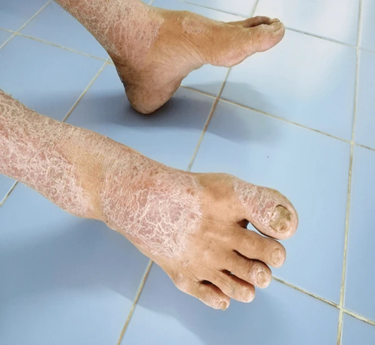
Systemic Sclerosis disease Image
Systemic Sclerosis

Treating Systemic Sclerosis with Expertise

Systemic Sclerosis is a chronic autoimmune condition that causes hardening and tightening of the skin and can affect internal organs such as the lungs, heart, and digestive system. It often leads to skin thickening, Raynaud’s phenomenon, and joint pain. The condition typically affects women between 30 and 50 years of age. Although rare, it can be serious if not treated early. Immune system dysfunction and genetic factors are believed to play a role in its development. Early intervention is crucial to manage symptoms, slow progression, and improve quality of life.

Additional symptoms may include shortness of breath, acid reflux, numbness in fingers, or swollen hands and feet. Early diagnosis and treatment with vasodilators, immunosuppressants, physical therapy, and organ-specific care can improve outcomes. Regular monitoring is essential to track progression, manage medications, and support long-term health and daily functioning.

Systemic Sclerosis                 symptoms

Systemic Sclerosis Symptoms

Systemic Sclerosis is a chronic autoimmune condition that causes skin thickening and can affect internal organs, leading to serious complications if not properly managed.

  • Skin tightening on fingers, hands, or face with reduced flexibility.
  • Cold fingers or toes that turn white or blue—Raynaud’s phenomenon.
  • Joint stiffness, pain, or swelling—especially in the morning hours.
  • Shortness of breath from lung scarring or pulmonary hypertension.
  • Heartburn or swallowing difficulties due to esophageal changes.
  • Swelling in fingers, hands, or feet due to inflammation or fibrosis.
  • Chronic fatigue or muscle weakness that worsens with activity.

Diagnosis

Diagnosing Systemic Sclerosis involves identifying characteristic skin changes and evaluating potential internal organ involvement through clinical exams and tests.

  • Doctors assess skin thickening, finger changes, and Raynaud’s symptoms.
  • Blood tests check for autoantibodies like ANA, Scl-70, or anticentromere.
  • Lung function tests evaluate breathing capacity and oxygen exchange.
  • High-resolution CT scans detect lung fibrosis or pulmonary scarring.
  • Echocardiogram screens for pulmonary hypertension and heart function.
  • Nailfold capillaroscopy visualizes tiny blood vessels near fingernails.

Treatment Options

Systemic Sclerosis is a lifelong condition, but prompt treatment can manage symptoms, limit complications, and support long-term health and function.

  • Vasodilators like nifedipine help manage Raynaud’s and improve blood flow.
  • Proton pump inhibitors reduce acid reflux and protect the esophagus lining.
  • Immunosuppressants such as mycophenolate or cyclophosphamide treat lung disease.
  • Physical therapy helps maintain mobility and ease joint or muscle stiffness.
  • Regular monitoring and tailored care help prevent complications and improve life quality.

Therapy & Surgery

Non-pharmacologic therapies and supportive procedures can ease discomfort, improve function, and slow progression in Systemic Sclerosis.

  • Physical therapy helps maintain joint mobility, reduce stiffness, and prevent muscle contractures.
  • Surgical options may be needed for severe digital ulcers or complications from Raynaud’s phenomenon.
  • Occupational therapy supports hand function, grip strength, and adapts tasks for daily living.
Systemic Sclerosis treatment in trivandrum
Systemic Sclerosis specialist