

Psoriatic Arthritis

  • Home
  • Treatments
  • Autoimmune Rheumatic Diseases
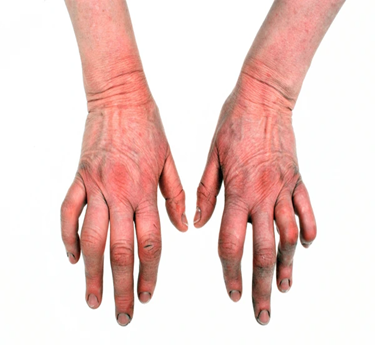
Psoriatic Arthritis disease Image
Psoriatic Arthritis

Improving Life with Psoriatic Arthritis

Psoriatic Arthritis is a chronic autoimmune condition that affects some people who have psoriasis, a skin disease that causes red, scaly patches. It most commonly impacts the joints and areas where tendons attach to bones. The disease typically appears in adults between 30 and 50 years of age. Symptoms may include joint pain, swelling, and stiffness, often in the fingers, toes, knees, or spine. Psoriatic arthritis is not contagious, but it can severely affect mobility if untreated. Both genetic and immune factors play a role in the disease. Early care is essential to reduce inflammation and joint damage.

Other symptoms may include nail changes, fatigue, morning stiffness, or swollen fingers. Early diagnosis and treatment with anti-inflammatory drugs, DMARDs, and biologics can help manage symptoms and prevent permanent damage. Regular follow-ups help monitor disease activity, adjust treatment, and protect joint health and daily function.

Psoriatic Arthritis                  symptoms

Psoriatic Arthritis Symptoms

Psoriatic Arthritis is a type of inflammatory arthritis linked to psoriasis, affecting the joints, skin, and tendons, and may lead to pain, stiffness, and long-term joint issues if untreated.

  • Joint pain, stiffness, and swelling often affect fingers, knees, or spine.
  • Heel pain or foot soreness can occur where tendons meet the bones.
  • Eye redness or blurred vision may indicate inflammation like uveitis.
  • Nail changes such as pitting or separation can appear with flares.
  • Skin rashes or psoriasis plaques may show on scalp, elbows, or knees.
  • Sausage-like swelling can develop in toes or fingers causing stiffness.
  • Fatigue, low-grade fever, or joint damage can worsen over time.

Diagnosis

Diagnosing Psoriatic Arthritis can be challenging, as its signs often mimic other joint conditions.

  • Doctors assess joints, nails, spine, and skin for swelling or damage.
  • Blood tests rule out gout, rheumatoid arthritis, or hidden inflammation.
  • Joint fluid may be checked for uric acid or infection indicators.
  • RF and CCP antibody tests help distinguish types of inflammatory arthritis.
  • Imaging like X-rays show bone erosion, joint damage, or spine issues.
  • MRI scans detect tendon inflammation or enthesitis around major joints.
  • Nail pitting and plantar tenderness can help confirm psoriatic features.

Treatment Options

While Psoriatic Arthritis cannot be cured, early intervention can reduce joint damage and improve daily function.

  • NSAIDs such as ibuprofen relieve pain, stiffness, and mild joint swelling in early disease.
  • DMARDs like methotrexate slow disease and protect joints from long-term permanent damage.
  • Steroid injections reduce joint inflammation and are useful during painful flares or stiffness.
  • Biologics such as adalimumab or etanercept target immune pathways and reduce inflammation.
  • Oral agents like apremilast help reduce swelling and stiffness in milder or moderate cases.

Therapy & Surgery

Physical therapy and, in some cases, surgery can restore mobility, ease pain, and address joint-related damage.

  • Therapists recommend exercises to improve flexibility, strengthen muscles, and support joint function.
  • Steroid injections reduce inflammation inside joints and ease pain from psoriatic arthritis flares.
  • Joint replacement surgery may be required for severe damage in hips, knees, or small joints.
Psoriatic Arthritis treatment in trivandrum
Psoriatic Arthritis specialist