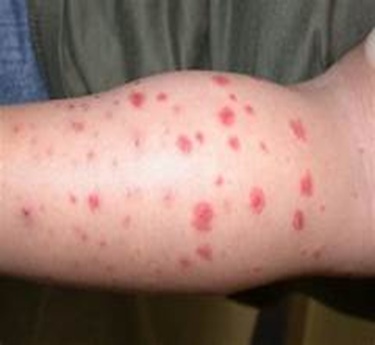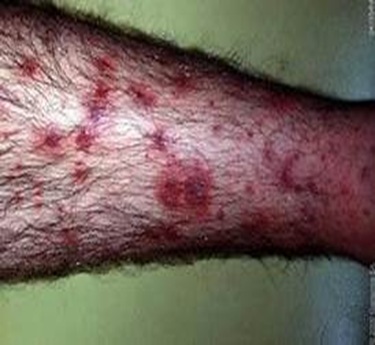

Henoch Schönlein Purpura (HSP), also called IgA vasculitis, is a rare condition that causes inflammation of the small blood vessels. This inflammation can result in bleeding under the skin and affect organs such as the joints, intestines, and kidneys. HSP is often triggered by infections and occurs most commonly in children, though adults can be affected too. Unlike other types of vasculitis, HSP usually causes a distinctive rash, abdominal pain, and joint swelling. In some cases, it can lead to kidney problems if not monitored. Early recognition helps manage symptoms and avoid complications.
Although Henoch Schönlein Purpura usually resolves on its own, some cases may need medications like corticosteroids to relieve pain and inflammation. Regular checkups are important to monitor kidney function. With appropriate care, most people recover fully, but follow-up is essential for long term well being.

Henoch Schönlein Purpura (HSP), also known as IgA vasculitis, is a form of small-vessel inflammation that often affects the skin, joints, intestines, and kidneys, especially in children.
Diagnosing Henoch Schönlein Purpura (HSP) involves clinical evaluation, lab tests, and sometimes imaging or biopsy to confirm small vessel inflammation and IgA deposits.
Henoch-Schönlein Purpura (HSP) often resolves on its own, but supportive care and medications may be needed to ease symptoms and prevent complications, especially in severe cases.
Supportive therapies and follow-up care play an important role in easing symptoms, preventing complications, and helping recovery in Henoch Schönlein Purpura (HSP).