Medial epicondylitis (Golfers elbow)

  • Home
  • Treatments
  • Degenerative Joint Diseases
Medial epicondylitis (Golfers elbow) disease Image
Medial epicondylitis (Golfers elbow)

Relief from Golfer’s Elbow with Compassionate, Focused Care

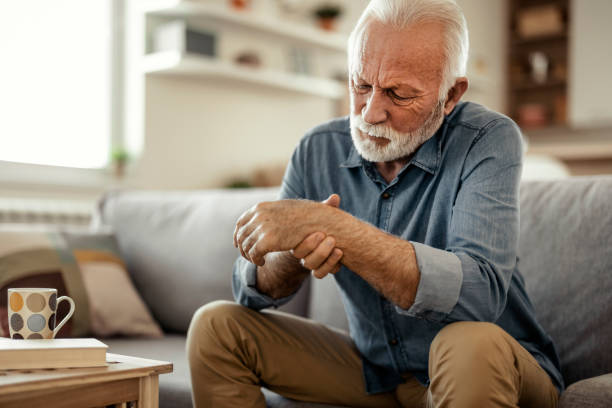
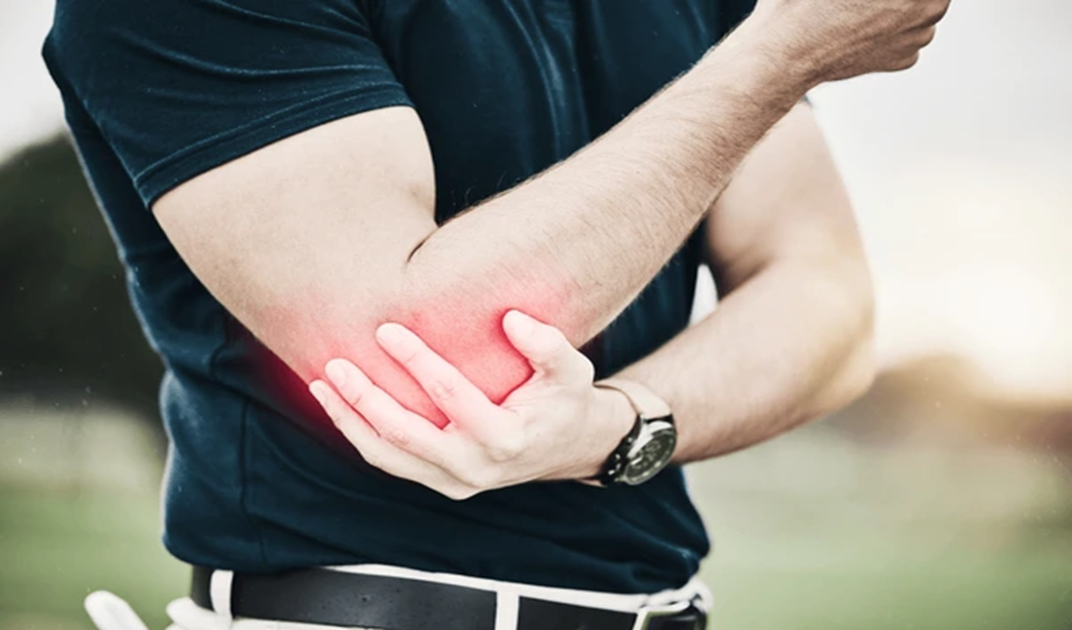
Medial Epicondylitis, commonly known as Golfer’s Elbow, is a condition caused by inflammation or irritation of the tendons attached to the inner side of the elbow. It typically develops due to repetitive wrist flexion or gripping activities, such as golf, throwing, or manual labor. Individuals may experience pain on the inside of the elbow, forearm weakness, stiffness, and discomfort during wrist movement or gripping. The pain may radiate along the inner forearm and worsen with repetitive motion or strain. Early diagnosis and proper treatment can help manage symptoms effectively and prevent long term issues.

Though Golfer’s Elbow can cause significant discomfort, most cases respond well to non surgical treatments. Management includes rest, ice application, anti inflammatory medications, and physical therapy to strengthen the forearm muscles and improve flexibility. Bracing or elbow straps may help relieve strain on the tendons. Activity modification is crucial to avoid aggravating movements. In some cases, corticosteroid injections or regenerative therapies may be recommended to reduce inflammation and support healing. Surgery is rarely needed and reserved for persistent or severe cases. With timely and appropriate care, most individuals can return to normal activities with improved elbow function.

Golfer’s Elbow (Medial Epicondylitis) symptoms

Golfer’s Elbow (Medial Epicondylitis) Symptoms

Medial Epicondylitis, or Golfer’s Elbow, is an overuse injury affecting the tendons on the inner side of the elbow, causing pain and reduced grip strength due to repetitive wrist or forearm motions.

  • Pain and tenderness on the inner side of the elbow.
  • Stiffness in the elbow, especially in the morning or after activity.
  • Weak grip strength and discomfort while gripping or lifting objects.
  • Numbness or tingling that may extend into the fingers, especially the ring and little fingers.
  • Pain that worsens with wrist flexion or forearm rotation activities.
  • Swelling or inflammation around the inner elbow area.
  • Increased pain with repetitive movements like swinging a golf club or using tools.

Diagnosis

Diagnosing Golfer’s Elbow (Medial Epicondylitis) involves clinical evaluation, orthopedic tests, and imaging to identify inflammation or injury of the tendons on the inner elbow.

  • Physical examination of the inner elbow to assess pain, swelling, and tenderness.
  • Orthopedic tests such as resisted wrist flexion or pronation to reproduce symptoms.
  • Patient history is reviewed for repetitive wrist or forearm movements from sports or occupation.
  • X-rays may be taken to rule out bone spurs, arthritis, or fractures.
  • Ultrasound or MRI scans help detect tendon degeneration, inflammation, or small tears.
  • Functional assessment evaluates grip strength, range of motion, and activity limitations.

Treatment Options

Treatment for Golfer’s Elbow (Medial Epicondylitis) aims to reduce inner elbow pain and inflammation, promote tendon healing, and restore strength through conservative care and therapy.

  • Pain relievers and anti inflammatory medications help reduce elbow pain and swelling.
  • Physical therapy with stretching and strengthening exercises supports tendon healing and improves flexibility.
  • Avoiding repetitive wrist and forearm movements allows the tendons to rest and recover.
  • Using a forearm strap or brace can reduce tendon strain during daily activities.
  • Corticosteroid injections may be used for persistent inflammation not relieved by other treatments.

Therapy & Support

Supportive therapies are essential for managing Golfer’s Elbow by relieving inner elbow pain, promoting tendon healing, and preventing recurrence through guided rehabilitation.

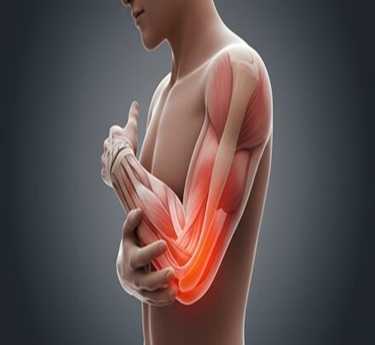
  • Physical therapy involves wrist flexor stretches, eccentric strengthening, and forearm stability exercises.
  • Therapies such as ice packs, therapeutic ultrasound, and soft tissue massage help reduce inflammation and pain.
  • Regular follow ups help monitor healing, adjust therapy intensity, and prevent chronic strain or reinjury.
Golfer’s Elbow (Medial Epicondylitis) treatment in trivandrum
Golfer’s Elbow (Medial Epicondylitis) specialist