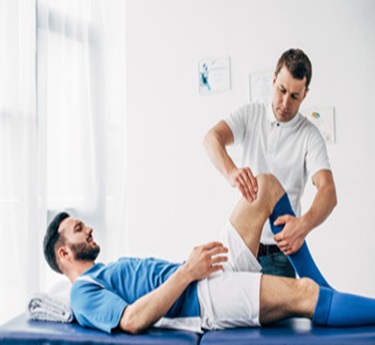

Physiotherapy is a specialized healthcare service that helps restore movement and function when someone is affected by injury, illness, or disability. It involves the use of physical techniques such as manual therapy, exercise therapy, and electrotherapy to relieve pain, improve mobility, and enhance overall physical well-being. It is beneficial for individuals recovering from surgery, sports injuries, stroke, arthritis, and other musculoskeletal and neurological conditions.
Early intervention through physiotherapy can significantly improve recovery outcomes and prevent complications. Treatment plans are personalized and may include therapeutic exercises, posture correction, joint mobilization, and strengthening techniques. Physiotherapists also educate patients on lifestyle modifications, ergonomic practices, and home-based exercises to support long-term recovery and prevent re-injury. Consistent physiotherapy promotes independence and a better quality of life across all age groups.

Physiotherapy addresses a wide range of musculoskeletal, neurological, and functional issues. Symptoms that often lead individuals to seek physiotherapy include persistent pain, movement difficulties, and reduced physical function.
Physiotherapy diagnosis focuses on evaluating physical impairments, functional limitations, and biomechanical imbalances. A detailed assessment helps determine the root cause of pain or dysfunction and guides the creation of a personalized treatment plan.
Physiotherapy treatment aims to restore mobility, reduce pain, and improve overall function through personalized exercises, manual therapy, and physical modalities. The approach is tailored based on the patient’s condition and rehabilitation goals.
Physiotherapy therapy and support emphasize restoring physical function, managing pain, and promoting long-term well-being through tailored treatment plans, education, and assistive techniques.