
Osteomalacia and Vitamin D Deficiency

  • Home
  • Treatments
  • Degenerative Joint Diseases
Osteomalacia and Vitamin D Deficiency disease Image
Osteomalacia and Vitamin D Deficiency

Relief from Weak Bones with Care for Osteomalacia and Vitamin D Deficiency

Osteomalacia is a condition in adults characterized by the softening of bones due to a deficiency of vitamin D, calcium, or phosphate. It commonly results from inadequate sunlight exposure, poor dietary intake, or malabsorption disorders. This condition leads to bone pain, especially in the lower back, hips, and legs, as well as muscle weakness and fatigue. Individuals may find it difficult to climb stairs, rise from sitting, or walk with stability. In some cases, fractures may occur with minimal trauma due to weakened bones.

Early diagnosis and appropriate treatment of osteomalacia can reverse symptoms and prevent complications. Management includes vitamin D and calcium supplementation, dietary adjustments, and treating underlying conditions affecting nutrient absorption. Sunlight exposure is also encouraged to naturally boost vitamin D levels. In more severe cases, monitoring by a specialist is essential to ensure bone strength recovery and to address ongoing muscle weakness. Lifestyle changes and physiotherapy may also help restore mobility and improve overall well-being.

Osteomalacia and Vitamin D Deficiencysymptoms

Osteomalacia and Vitamin D Deficiency Symptoms

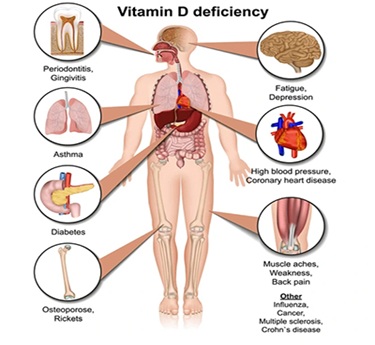
Osteomalacia is the softening of bones in adults, primarily due to vitamin D deficiency. It affects bone strength and muscle function, leading to discomfort and mobility issues.

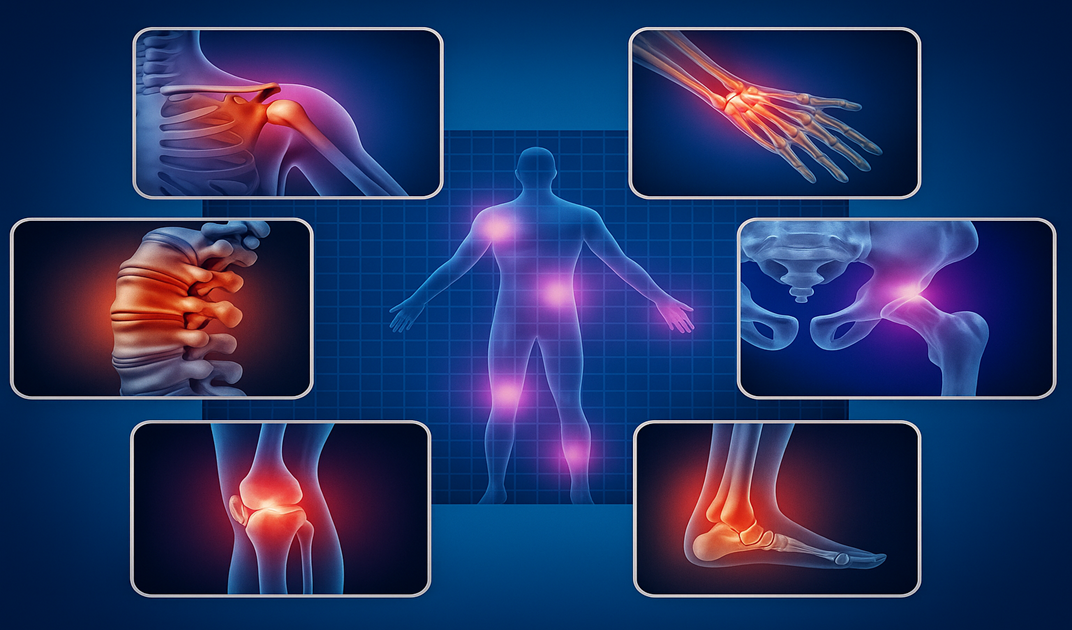
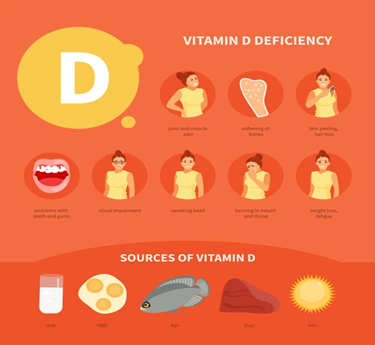
  • Dull, aching bone pain, especially in the hips, lower back, legs, and ribs.
  • Muscle weakness, particularly in the thighs and upper arms.
  • Difficulty walking, climbing stairs, or rising from a chair.
  • Frequent bone fractures with minimal trauma.
  • Fatigue and a general feeling of weakness.
  • Numbness or tingling in the hands and feet due to low calcium levels.
  • Spasms or cramps in the hands or feet (tetany).
  • Depression or mood changes linked to chronic vitamin D deficiency.

Diagnosis

Diagnosing Osteomalacia and Vitamin D Deficiency involves evaluating clinical symptoms, lifestyle, and dietary habits, supported by blood tests and imaging to assess bone health and vitamin levels.

  • Physical examination to check for bone tenderness, muscle weakness, and gait abnormalities.
  • Blood tests to measure vitamin D, calcium, phosphate, and parathyroid hormone levels.
  • X-rays to reveal bone softening, fractures, or Looser’s zones (pseudofractures).
  • Bone density scan (DEXA) to evaluate bone mineral content and strength.
  • Urine tests to assess calcium and phosphate excretion levels.
  • In rare cases, a bone biopsy may be performed to confirm the diagnosis.

Treatment Options

Treatment for Osteomalacia and Vitamin D Deficiency focuses on correcting the underlying nutritional deficiencies, strengthening bones, and preventing further complications. Most patients improve significantly with proper supplementation and lifestyle changes.

  • Vitamin D supplementation (cholecalciferol or ergocalciferol) to restore optimal levels.
  • Calcium and phosphate supplements to support healthy bone mineralization.
  • Sunlight exposure therapy to boost natural vitamin D synthesis in the skin.
  • Dietary adjustments to include foods rich in vitamin D, calcium, and phosphorus (e.g., fish, eggs, dairy).
  • Treatment of underlying conditions that impair vitamin D absorption, such as celiac or kidney disorders.
  • Monitoring and follow-up blood tests to ensure vitamin and mineral levels are normalized.

Therapy & Support

Supportive care for Osteomalacia and Vitamin D Deficiency emphasizes improving bone strength, reducing fatigue, and enhancing overall well-being through rehabilitation, lifestyle changes, and emotional support.
  • Physiotherapy to improve muscle strength, balance, and mobility, especially in patients with bone pain or weakness.
  • Fall prevention strategies including home safety assessment and strength-building exercises to avoid fractures.
  • Nutritional counseling to support healthy eating habits that sustain adequate vitamin D and calcium levels.
  • Emotional and psychological support for managing chronic fatigue or pain, including relaxation techniques and support groups.
Osteomalacia and Vitamin D Deficiency treatment in trivandrum
Osteomalacia and Vitamin D Deficiency specialist