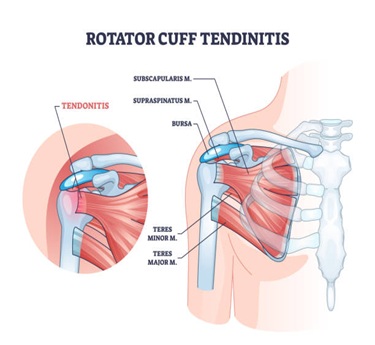

Rotator Cuff Tendinitis is a common shoulder condition caused by inflammation or irritation of the tendons in the rotator cuff a group of muscles and tendons that stabilize the shoulder joint. It often develops due to repetitive overhead movements, poor posture, aging, or shoulder strain. Individuals may experience shoulder pain, especially with lifting or reaching, along with weakness and limited range of motion. The pain is typically worse at night or during activities involving arm elevation. Early recognition and proper care can help prevent progression and restore shoulder function.
While Rotator Cuff Tendinitis can be painful, most cases respond well to non surgical treatments. Management typically includes rest, anti inflammatory medications, physical therapy, and activity modification. Stretching and strengthening exercises help improve mobility and prevent recurrence. In some cases, corticosteroid injections may be recommended to reduce inflammation. Surgery is rarely needed but may be considered for persistent or severe cases. With early and consistent care, patients can return to daily activities with reduced pain and better shoulder strength.

Rotator Cuff Tendinitis is an overuse injury of the shoulder tendons that causes pain, inflammation, and difficulty with arm movement, especially during overhead activities.
Diagnosing Rotator Cuff Tendinitis involves clinical evaluation, physical tests, and imaging studies to assess shoulder pain, inflammation, and tendon involvement.
Rotator Cuff Tendinitis treatment focuses on reducing shoulder inflammation, relieving pain, and restoring strength and mobility through conservative therapies and lifestyle modifications.
Supportive therapies play a vital role in managing Rotator Cuff Tendinitis by relieving shoulder pain, restoring mobility, and preventing future injuries.