
Polyarteritis Nodosa

  • Home
  • Treatments
  • Autoimmune Rheumatic Diseases
Polyarteritis Nodosa disease Image
Polyarteritis Nodosa

Treating Polyarteritis Nodosa to Help You Feel Better

Polyarteritis Nodosa, or PAN, is a rare and long term condition that causes inflammation in medium-sized blood vessels. This inflammation can reduce blood flow and lead to damage in various organs, including the skin, kidneys, nerves, muscles, and digestive system. PAN is considered an autoimmune disease, where the immune system mistakenly attacks healthy tissues. Unlike other common forms of vasculitis, PAN does not typically affect the lungs or cause symptoms like sinus issues. Instead, it leads to problems like high blood pressure, nerve pain, and abdominal issues. Without timely treatment, the condition can lead to serious complications in multiple organs.

Though rare, Polyarteritis Nodosa can cause long-lasting health problems. Treatment has improved with the use of corticosteroids and immunosuppressive medications. Early diagnosis and consistent monitoring are key to controlling disease activity, preventing relapses, and protecting overall health and quality of life.

Polyarteritis Nodosa symptoms

Polyarteritis Nodosa (PAN) Symptoms

Polyarteritis Nodosa (PAN) is a rare autoimmune vasculitis that causes inflammation of medium sized arteries, reducing blood flow to organs and tissues throughout the body.

  • Numbness, tingling, or weakness in hands or feet due to nerve inflammation.
  • Abdominal pain, especially after eating, due to reduced blood flow in vessels.
  • Ongoing fatigue, low-grade fever, and unintentional weight loss over time.
  • High blood pressure or kidney dysfunction from vessel damage in the organs.
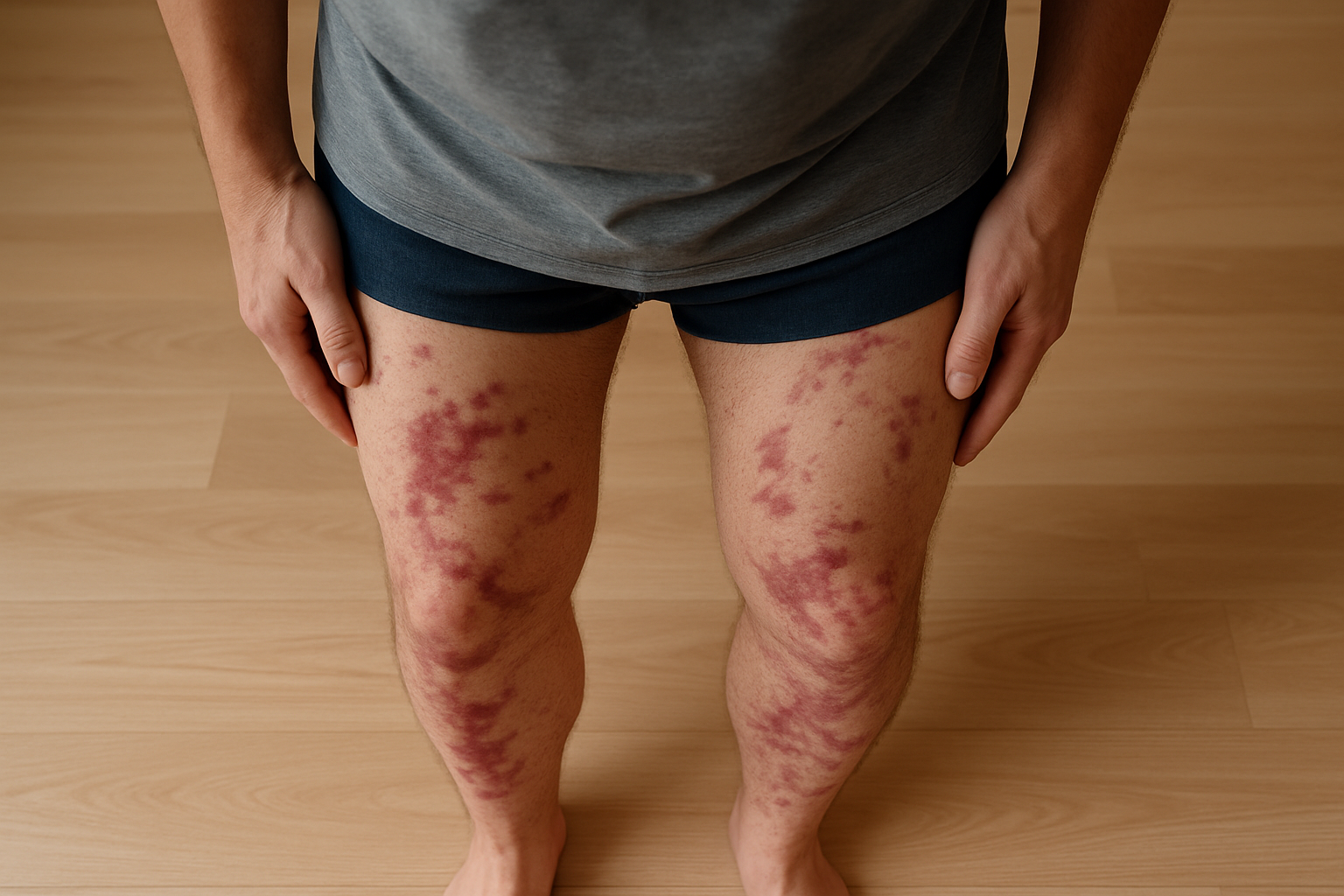
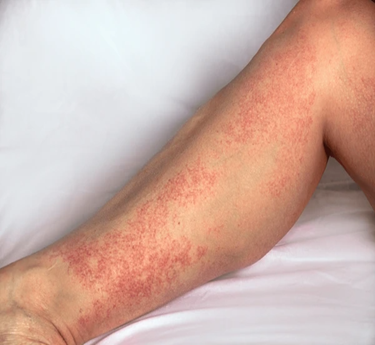
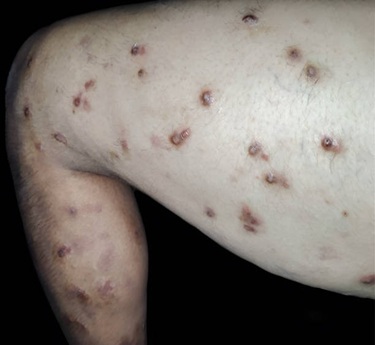
  • Skin rashes, purplish spots, or painful nodules from inflamed blood vessels.

Diagnosis

Diagnosing Polyarteritis Nodosa (PAN) requires a detailed clinical assessment, blood tests, imaging studies, and sometimes biopsy to confirm medium vessel inflammation and organ involvement.

  • Doctors check for symptoms like nerve pain, high blood pressure, and skin changes.
  • Blood work often shows increased ESR, CRP, and signs of inflammation.
  • ANCA tests are typically negative, helping to differentiate PAN from others.
  • Angiography can show aneurysms or narrowing in medium sized blood vessels.
  • Kidney function tests may show impairment even without urinary findings.
  • Biopsy of skin, muscle, or nerve shows necrotizing inflammation of vessels.

Treatment Options

While there is no definitive cure for Polyarteritis Nodosa (PAN), early and aggressive treatment helps control inflammation, protect organs, and prevent long term complications.

  • Corticosteroids like prednisone are given to control inflammation and relieve symptoms.
  • Immunosuppressants such as cyclophosphamide or azathioprine are often prescribed.
  • Maintenance therapy may include methotrexate or low-dose steroids to prevent flares.
  • Rehabilitation helps manage fatigue, restore mobility, and improve quality of life.
  • Routine follow-ups monitor organ function, adjust drugs, and detect relapses early.

Therapy & Surgery

Supportive therapies and consistent care are essential in managing symptoms, maintaining organ health, and improving daily life in Polyarteritis Nodosa (PAN).
  • Physical therapy supports muscle strength, joint mobility, and fatigue reduction.
  • Pain management and rehab may be needed for nerve or muscle involvement.
  • Occupational therapy assists with coping strategies and maintaining independence.
Polyarteritis Nodosa treatment in trivandrum
Polyarteritis Nodosa specialist