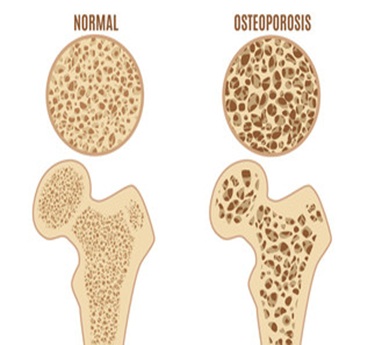

Osteoporosis is a condition where bones become weak, brittle, and more likely to fracture due to decreased bone density and strength. It often develops silently over time and is most common in older adults, especially postmenopausal women. Common signs include back pain, loss of height, stooped posture, and fractures from minor falls or injuries. The spine, hip, and wrist are particularly vulnerable.
Early detection through bone density testing (DEXA scan) is essential to manage osteoporosis effectively. Treatment involves calcium and vitamin D supplementation, weight-bearing exercises, and medications that slow bone loss or increase bone formation. A balanced diet, lifestyle changes, and fall prevention strategies are important to reduce fracture risk. Regular follow-up with a specialist ensures long-term bone health and stability.

Osteoporosis is a condition that weakens bones, making them fragile and more likely to break. It often progresses silently until a fracture occurs, affecting posture, mobility, and quality of life.
Diagnosing Osteoporosis involves assessing risk factors, symptoms, and measuring bone density through specialized imaging. Early detection is key to preventing fractures and managing bone loss effectively.
Treatment for Osteoporosis aims to prevent fractures, strengthen bones, and reduce bone loss. A combination of medication, nutritional support, lifestyle changes, and regular monitoring helps manage the condition effectively.
Supportive care for Osteoporosis focuses on improving bone health, reducing fracture risk, and enhancing quality of life through rehabilitation, lifestyle changes, and psychological support.