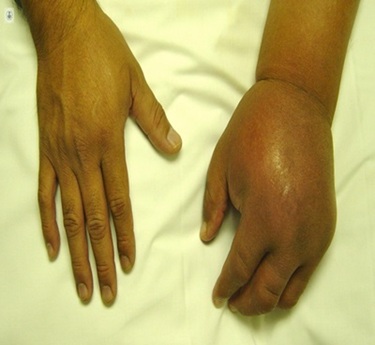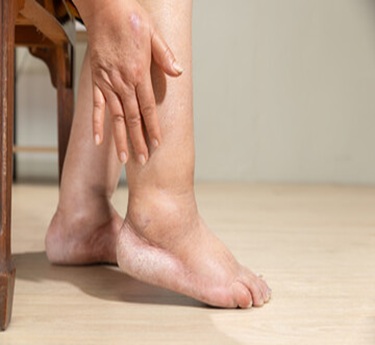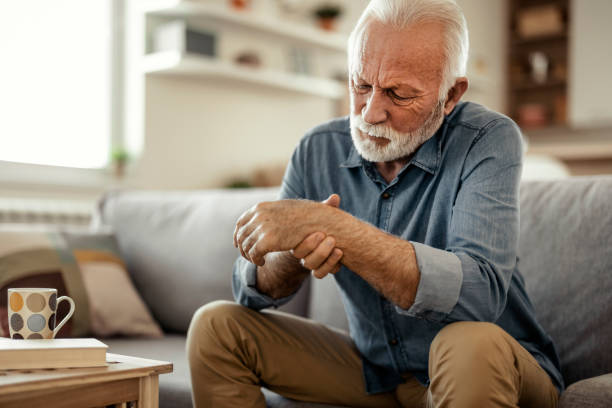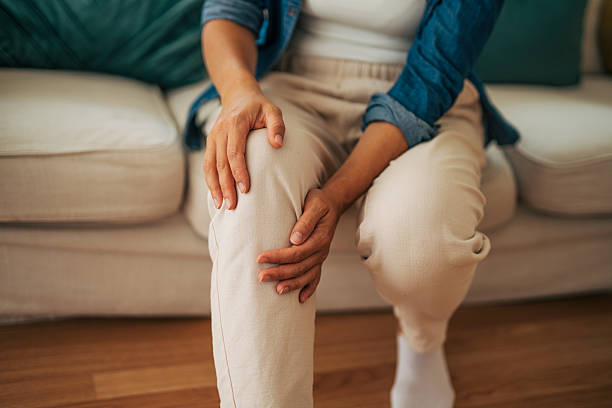
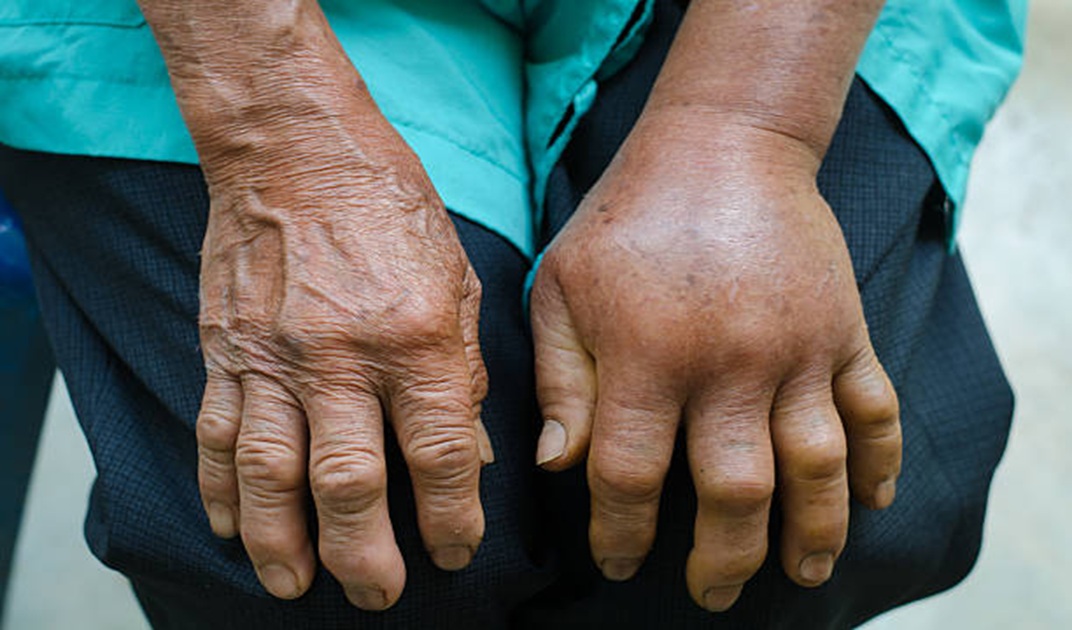
Reflex Sympathetic Dystrophy (RSD), also known as Complex Regional Pain Syndrome (CRPS Type I), is a chronic pain condition that typically develops after an injury, surgery, or stroke. It is characterized by prolonged or excessive pain, swelling, and changes in skin color, temperature, or texture—usually affecting an arm or leg. The pain experienced is often out of proportion to the original injury. Individuals may also notice sensitivity to touch, burning sensations, muscle weakness, and joint stiffness. RSD can interfere with mobility and everyday functioning if not addressed early.
While RSD can be challenging to treat, early diagnosis and a multidisciplinary approach can significantly improve outcomes. Treatment options include physical therapy to maintain mobility and reduce stiffness, medications such as pain relievers, anti-inflammatory drugs, or nerve pain medications, and sympathetic nerve blocks. Occupational therapy and desensitization techniques may help manage sensory issues. In more resistant cases, spinal cord stimulation or other interventional procedures may be considered. Emotional and psychological support is also important due to the chronic nature of the condition.
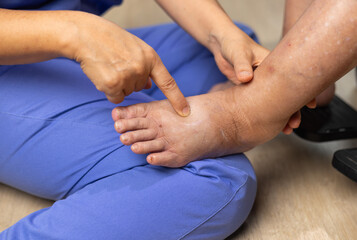
Reflex Sympathetic Dystrophy (RSD), or Complex Regional Pain Syndrome (CRPS Type I), is a chronic pain condition that usually affects one limb after an injury or surgery. It is marked by intense, often burning pain and abnormal responses in the nerves.
Diagnosing Reflex Sympathetic Dystrophy (RSD) is primarily clinical, based on symptoms, history of injury, and ruling out other conditions. There is no single definitive test, so diagnosis relies on observation and response to treatment.
Treatment for Reflex Sympathetic Dystrophy (RSD) aims to relieve pain, restore function, and prevent the condition from progressing. A multidisciplinary approach combining medication, therapy, and interventions is often recommended.
Supportive therapies are essential in managing Reflex Sympathetic Dystrophy (RSD), focusing on pain reduction, improving limb function, and enhancing overall quality of life through structured rehabilitation and emotional support.