
Mixed Connective Tissue Diseases

  • Home
  • Treatments
  • Autoimmune Rheumatic Diseases
Mixed Connective Tissue Diseases disease Image
Mixed Connective Tissue Diseases

Trusted Expertise in Mixed Connective Tissue Disease Care

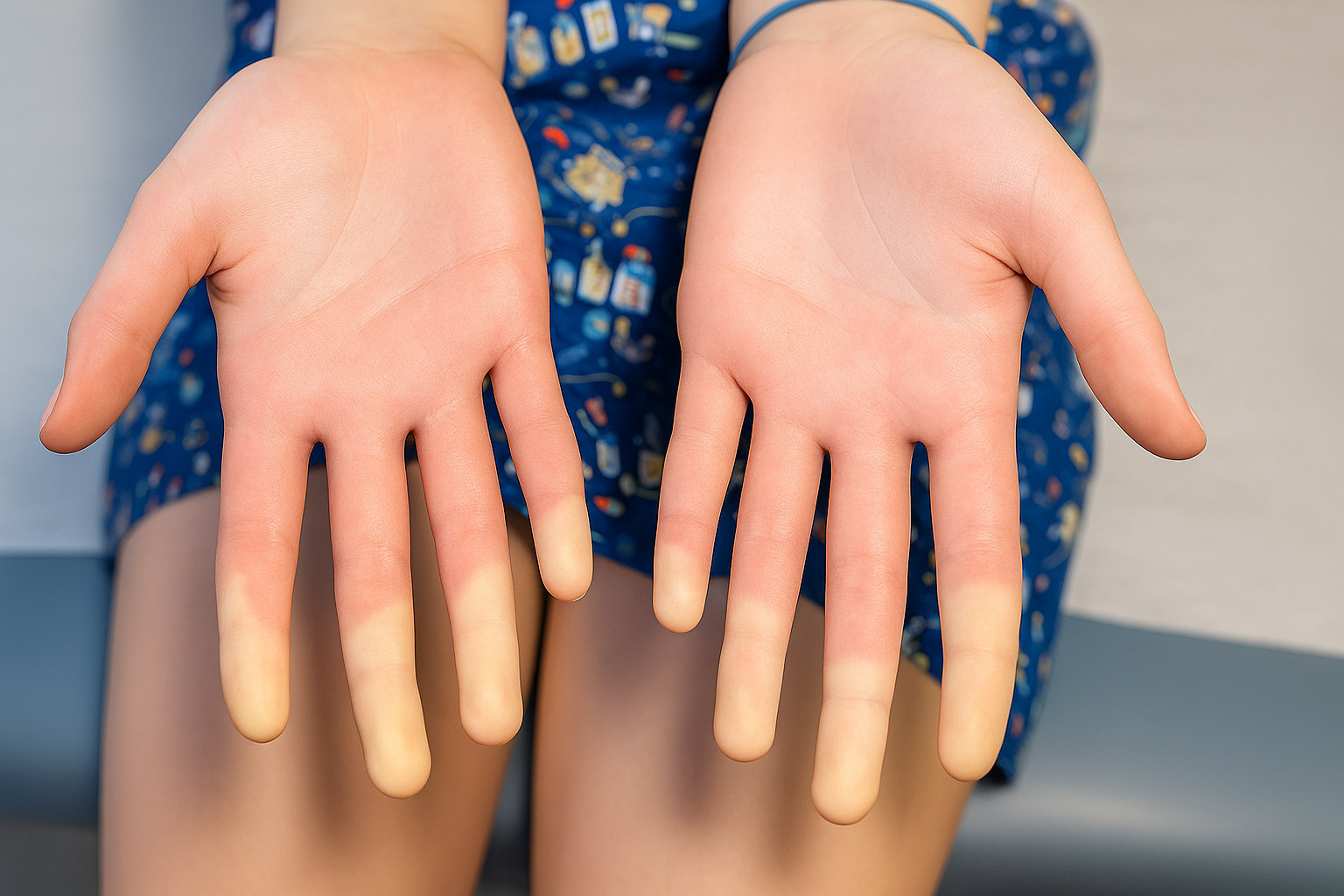
Mixed Connective Tissue Disease (MCTD) is a rare autoimmune condition that shows overlapping features of lupus, scleroderma, and polymyositis. It may involve joint pain, muscle weakness, skin changes, and Raynaud’s phenomenon. The condition most often affects women between 20 and 40 years of age. Although symptoms vary, it can cause serious complications if untreated. Autoantibodies, especially anti-RNP, are key markers in diagnosis. Early care helps control immune activity, ease symptoms, and reduce the risk of organ involvement.

Other symptoms may include difficulty swallowing, swelling of fingers, chest discomfort, or fatigue. Treatment may involve corticosteroids, immunosuppressants, and medications targeting specific symptoms. Physical therapy can assist with mobility and strength. Long-term management requires regular follow-ups to monitor progression, adjust therapy, and maintain a good quality of life.

Mixed Connective Tissue Diseases                symptoms

Mixed Connective Tissue Disease Symptoms

Mixed Connective Tissue Disease combines features of multiple autoimmune conditions, and its symptoms can affect joints, muscles, skin, and internal organs if not addressed early.

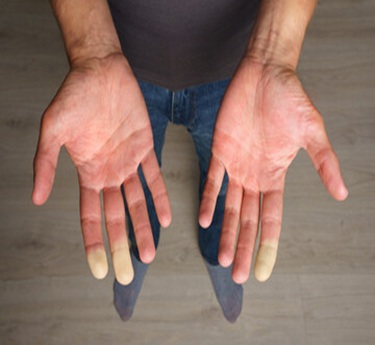
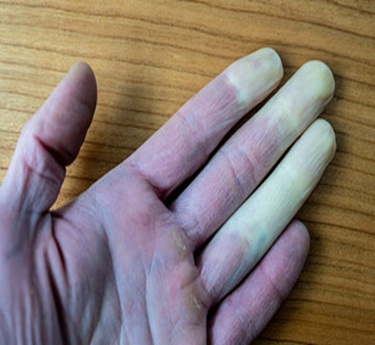
  • Raynaud’s phenomenon causes fingers or toes to turn pale or blue in cold or stress.
  • Swollen fingers or hands, often appearing puffy and stiff, especially in the morning.
  • Muscle weakness, particularly in the upper arms and thighs, making movement difficult.
  • Joint pain and stiffness that mimic rheumatoid arthritis, with possible swelling.
  • Esophageal problems causing difficulty swallowing and frequent acid reflux.

Diagnosis

Diagnosing Mixed Connective Tissue Disease involves recognizing overlapping symptoms of multiple autoimmune disorders and confirming specific antibodies through testing.

  • Doctors examine symptoms that overlap with lupus, scleroderma, or polymyositis.
  • Blood tests check for ANA and high titers of anti-U1 RNP antibodies.
  • Lung function tests are done to assess early signs of pulmonary disease.
  • Echocardiograms help evaluate heart involvement or pulmonary pressures.
  • ESR and CRP tests monitor inflammation levels and disease activity.
  • Physical exams may reveal swollen hands and inflamed joints with stiffness.

Treatment Options

Although there is no cure for Mixed Connective Tissue Disease, personalized treatment plans can effectively manage symptoms, minimize flare-ups, and safeguard vital organs over time.

  • Corticosteroids like prednisone reduce immune overactivity and ease inflammation.
  • Hydroxychloroquine helps treat joint pain, skin issues, and prevent flare-ups.
  • Calcium channel blockers such as nifedipine help relieve Raynaud’s symptoms.
  • Other immunosuppressants may be used depending on lung or kidney involvement.
  • Regular reviews ensure therapy is tailored to disease pattern and organ risk.

Therapy & Surgery

Supportive therapies and functional rehabilitation can help manage pain, preserve mobility, and improve daily living in Mixed Connective Tissue Disease.
  • Physical therapy can improve muscle strength, reduce joint pain, and restore flexibility.
  • Surgical care may be needed for joint damage, tendon issues, or persistent complications.
  • Occupational therapy aids in hand coordination, joint protection, and adaptive routines.
Mixed Connective Tissue Diseases treatment in trivandrum
Mixed Connective Tissue Diseases specialist