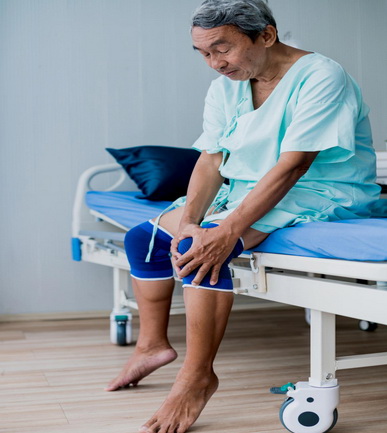
Degenerative Joint Diseases

Degenerative Joint Diseases

Degenerative Joint Diseases are conditions that occur due to the gradual wear and tear of joints, cartilage, and surrounding tissues. These disorders commonly affect the knees, hips, spine, shoulders, and hands, leading to pain, stiffness, reduced flexibility, and difficulty in movement. Aging, obesity, previous injuries, repetitive stress, and genetic factors can increase the risk of developing degenerative joint conditions.

At Iris Clinics, we provide comprehensive evaluation and advanced treatment options for Degenerative Joint Diseases to help patients regain mobility, reduce pain, and improve quality of life.

Common Symptoms

  • Persistent joint pain
  • Joint stiffness, especially in the morning
  • Swelling around joints
  • Reduced range of motion
  • Cracking or grinding sensation in joints
  • Difficulty in walking or climbing stairs
  • Weakness in affected joints
For emergency, Call Now

Several factors contribute to joint degeneration, including:
• Age-related cartilage wear
• Obesity and excess joint stress
• Sports injuries and trauma
• Repetitive joint movements
• Poor posture and lifestyle habits
• Autoimmune and inflammatory conditions
• Genetic predisposition

• Osteoarthritis
• Cervical Spondylosis
• Lumbar Spondylosis
• Degenerative Disc Disease
• Knee Joint Degeneration
• Hip Joint Arthritis
• Shoulder Joint Degeneration

Our specialists perform detailed clinical assessments and diagnostic investigations, including:
• Physical examination
• X-rays
• MRI scans
• Bone density studies
• Blood investigations
• Functional mobility assessment

Icon

Fibromyalgia

Fibromyalgia is a chronic pain condition characterized by widespread musculoskeletal discomfort, fatigue, and heightened sensitivity to pressure. The exact cause is unknown, but it is believed to involve abnormal pain processing in the brain and nervous system.

Read More
Icon

Myofascial Pain Syndromes

Myofascial Pain Syndrome (MPS) is a chronic pain condition characterized by localized muscle pain and the presence of trigger points tight knots within muscle tissue that cause referred pain, condition from muscle overuse, stress, poor posture, or repetitive strain.

Read More
Icon

Cervical Spondylosis

Cervical Spondylosis is a common, age related condition affecting the neck, caused by wear and tear of the spinal discs and joints in the cervical spine. It is often associated with degenerative changes such as bone spurs, disc thinning, and loss of spinal flexibility.

Read More
Icon

Rotator Cuff Tendinitis

Rotator Cuff Tendinitis is a common shoulder condition caused by inflammation or irritation of the tendons in the rotator cuff a group of muscles and tendons that stabilize the shoulder joint. It often develops due to repetitive overhead movements, poor posture, aging, or shoulder strain.

Read More
Icon

Medial Epicondylitis (Golfers Elbow)

Golfer’s Elbow can cause significant discomfort, most cases respond well to non surgical treatments. Management includes rest, ice application, anti inflammatory medications, and physical therapy to strengthen the forearm muscles and improve flexibility.

Read More
Icon

Lateral Epicondylitis (Tennis Elbow)

Tennis Elbow can be painful, most cases improve with non-surgical treatments. Management includes rest, cold therapy, anti-inflammatory medications, and physical therapy focused on stretching and strengthening the forearm extensor muscles.

Read More
Icon

Osteoarthritis

Osteoarthritis is the most common form of arthritis, caused by the gradual wear and tear of cartilage that cushions the ends of bones in a joint. This degeneration leads to joint pain, stiffness, swelling, and decreased mobility. It most often affects the knees, hips, hands, and spine.

Read More
Icon

Reflex Sympathetic Dystrophy

Also known as Complex Regional Pain Syndrome (CRPS Type I), is a chronic pain condition that typically develops after an injury, surgery, or stroke. It is excessive pain, swelling, and changes in skin color, temperature - usually affecting an arm or leg.

Read More
Icon

Osteomalacia & Vit D Deficiency

Osteomalacia is a condition in adults characterized by the softening of bones due to a deficiency of vitamin D, calcium, or phosphate. It commonly results from inadequate sunlight exposure, poor dietary intake, or malabsorption disorders.

Read More
Icon

Osteoporosis

Osteoporosis is a condition where bones become weak, brittle, and more likely to fracture due to decreased bone density and strength. It often develops silently over time and is most common in older adults, especially postmenopausal women.

Read More
Icon

Plantar fasciitis

Plantar Fasciitis is a common condition that causes pain and inflammation in the plantar fascia, the thick band of tissue that connects the heel bone to the toes. It typically causes sharp heel pain, especially with the first steps in the morning or after periods of rest.

Read More