




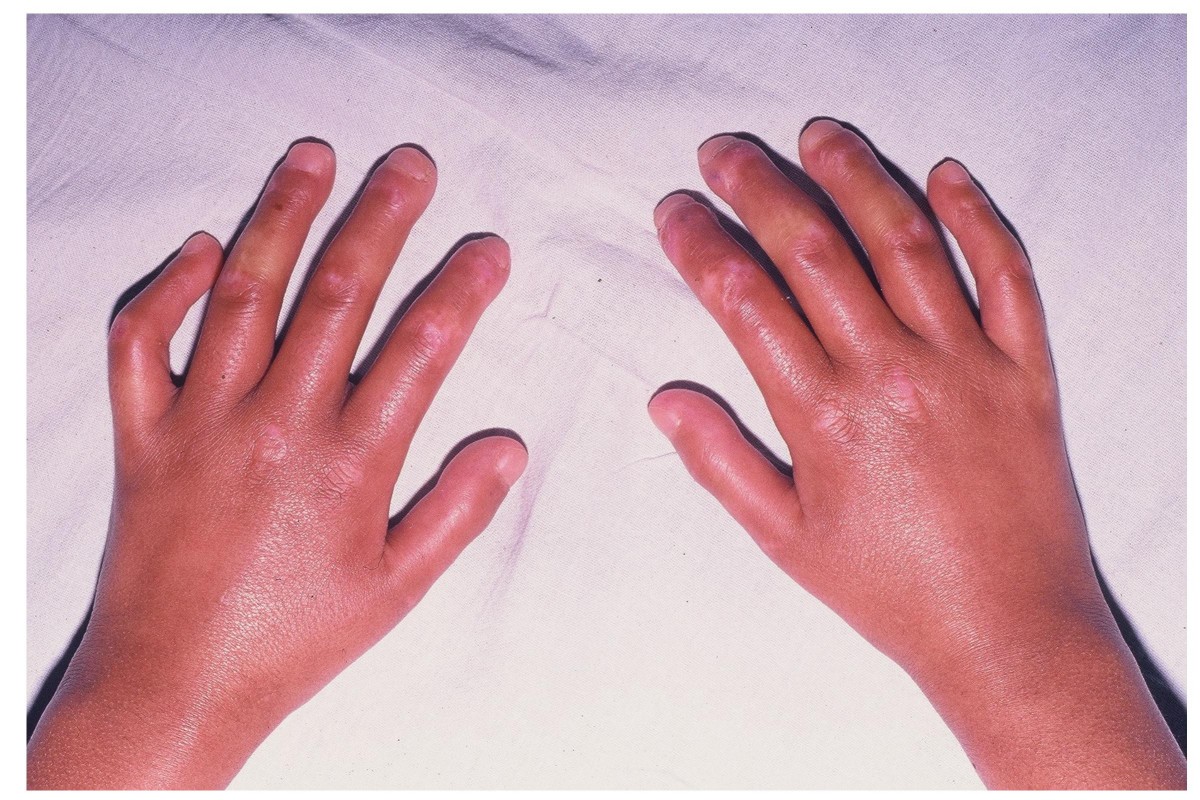
Understanding Systemic Sclerosis: Symptoms and Organ Involvement
Systemic Sclerosis (SSc), also known as scleroderma, is a rare autoimmune condition characterized by abnormal collagen production, leading to thickening and hardening of the skin and, in many cases, involvement of internal organs. Unlike other autoimmune diseases that primarily affect joints, systemic sclerosis impacts connective tissue throughout the body. At IRIS Clinics, we frequently evaluate patients who present with early symptoms such as skin tightening, Raynaud’s phenomenon, and unexplained fatigue, often before major organ systems are affected. Early detection is critical, as timely management can slow progression and improve outcomes.
Systemic sclerosis is not caused by lifestyle or aging but by immune system dysfunction, where the body mistakenly triggers excessive collagen deposition. This can affect the skin, blood vessels, lungs, heart, kidneys, and gastrointestinal tract. Over time, the hardening of tissues can limit movement, impair circulation, and disrupt normal organ function. Because systemic sclerosis varies widely in severity, ranging from limited cutaneous involvement to diffuse systemic disease, personalized care at specialized centers like IRIS Clinics is essential.
Understanding the multi-organ nature of systemic sclerosis is key. At IRIS Clinics, our multidisciplinary approach including rheumatology, pulmonology, cardiology, and nephrology ensures comprehensive evaluation and tailored treatment for every patient. Early imaging and blood tests help identify complications before they become severe.
The symptoms of systemic sclerosis depend on the areas affected. While some individuals may notice only skin changes, others develop serious internal complications. Common early signs include tight, shiny skin on the fingers and face, cold sensitivity, and color changes in the hands due to Raynaud’s phenomenon. As the disease progresses, internal organ involvement may cause shortness of breath, difficulty swallowing, digestive issues, or kidney and heart complications.
Because systemic sclerosis has no single pattern, symptoms and severity vary from patient to patient. Some individuals experience mild, slowly progressive symptoms, while others face rapid changes requiring urgent intervention. At IRIS Clinics, we use advanced diagnostics such as high-resolution CT scans, echocardiography, pulmonary function tests, and autoantibody profiling to monitor disease activity and guide treatment strategies effectively.
Key Symptoms and Organ Involvement in Systemic Sclerosis
Here is how systemic sclerosis typically presents in different parts of the body:
1. Skin and Peripheral Vessels
- Thickening and hardening of the skin, especially on fingers (sclerodactyly) and face.
- Raynaud’s phenomenon: fingers and toes turn white, blue, then red when exposed to cold or stress.
- Digital ulcers and telangiectasias (small visible blood vessels).
- Restricted hand mobility due to skin tightening.
2. Lungs
- Shortness of breath during exertion or at rest.
- Interstitial lung disease (ILD) causing scarring and stiffness in lung tissue.
- Pulmonary hypertension, leading to elevated pressure in lung arteries.
- Regular monitoring with pulmonary function tests and imaging is crucial.
3. Gastrointestinal System
- Difficulty swallowing (dysphagia) due to esophageal involvement.
- Acid reflux, bloating, and reduced gut motility.
- Malabsorption or unintended weight loss in severe cases.
- Nutritional support and early gastroenterology input are important.
4. Heart and Kidneys
- Irregular heartbeat or signs of heart failure.
- Pericardial effusion (fluid around the heart).
- Renal crisis: sudden rise in blood pressure and kidney dysfunction (rare but serious).
- Regular blood pressure and kidney function monitoring recommended.
5. Musculoskeletal System
- Joint stiffness and mild arthritis-like pain.
- Muscle weakness or tenderness.
- Tendon friction rubs in advanced disease.
- Early physiotherapy helps maintain mobility and function.
At IRIS Clinics, treatment for systemic sclerosis is customized based on organ involvement and disease severity. While there is no cure, therapies such as immunosuppressive medications, vasodilators for blood flow, targeted biologic drugs, and supportive measures can reduce symptoms and protect organs. Regular monitoring with our multidisciplinary team helps prevent complications and improve quality of life.
Patient education and lifestyle support are equally important. We advise avoiding cold exposure, practicing good skin care, maintaining hand and foot warmth, and following a nutrient-rich diet. Early referral to a rheumatologist and close follow-up remain the best ways to control the disease and limit damage. At IRIS Clinics, we are committed to guiding patients through each stage with advanced diagnostics, innovative therapies, and compassionate care.