




Mixed Connective Tissue Disease Explained: Key Symptoms and Diagnosis
Mixed Connective Tissue Disease (MCTD) is a rare autoimmune condition that combines features of multiple connective tissue disorders, including lupus, scleroderma, and polymyositis. At IRIS Clinics, we often describe MCTD as a “overlap syndrome” because it shows symptoms from several diseases, making it complex to diagnose and manage. This condition primarily affects the connective tissues that support organs, muscles, and joints, leading to inflammation and tissue damage. Early recognition and appropriate treatment are essential to prevent complications and maintain quality of life.
Unlike other autoimmune diseases that target a single system, MCTD may affect multiple organs and tissues at once. The immune system mistakenly attacks healthy cells, causing chronic inflammation. Over time, this can lead to joint pain, muscle weakness, skin changes, and even organ involvement, such as the lungs, heart, or kidneys. Though the exact cause remains unknown, genetic and environmental factors play an important role in triggering the disease.
At IRIS Clinics, our rheumatology experts emphasize the importance of early detection. Since MCTD shares symptoms with other autoimmune conditions, advanced diagnostic tools like blood tests for anti-U1 RNP antibodies, imaging, and clinical evaluation are critical. Personalized care plans at our clinic focus on controlling inflammation, preventing complications, and improving daily function.
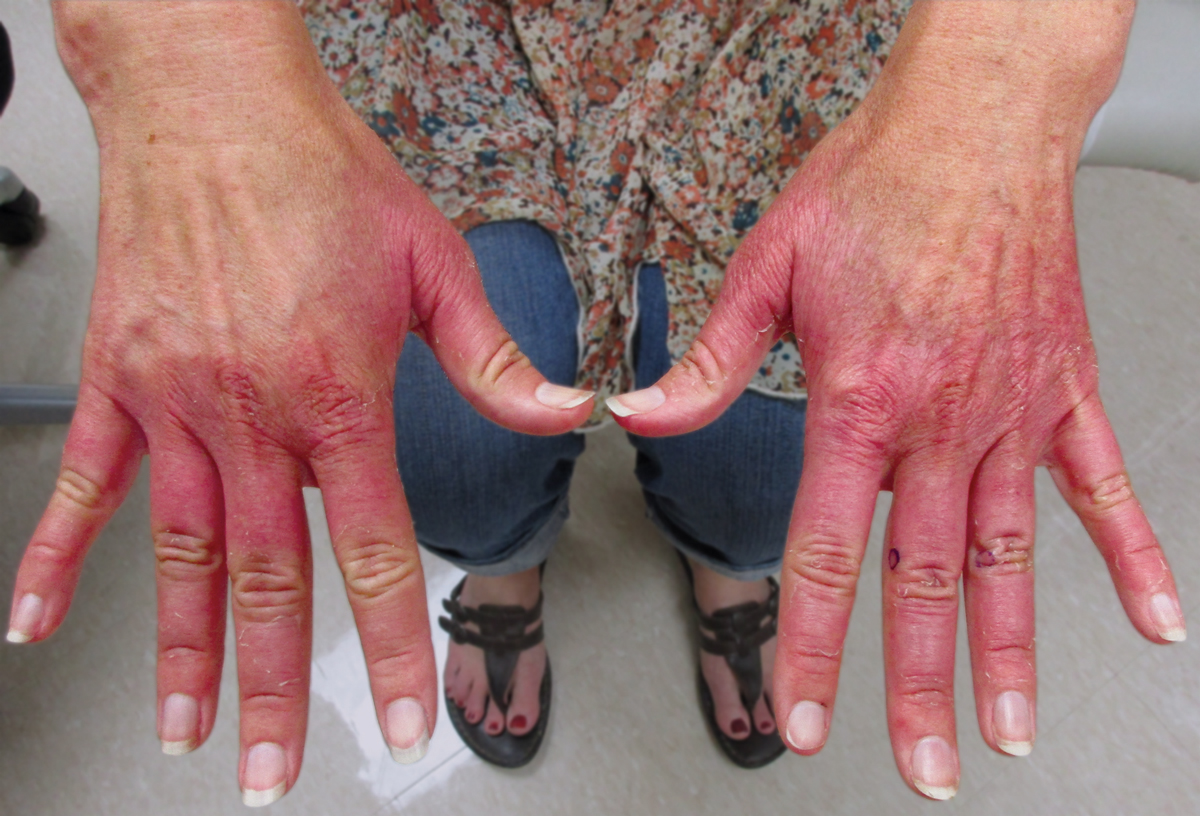
MCTD can present gradually or suddenly, with symptoms ranging from mild to severe. Common early signs include joint pain, morning stiffness, fatigue, and swelling in the hands and fingers. Over time, patients may notice skin tightening, difficulty swallowing, muscle weakness, or Raynaud’s phenomenon (color changes in fingers and toes due to cold or stress). Since MCTD often mimics other autoimmune disorders, continuous monitoring is essential.
The course of MCTD varies greatly between individuals. Some patients experience long periods of mild symptoms, while others may face aggressive progression involving vital organs. That’s why comprehensive care at IRIS Clinics, including regular blood tests, imaging, and clinical reviews, is key to managing this condition effectively. Early intervention can prevent complications such as pulmonary hypertension or interstitial lung disease, which can be life-threatening if left untreated.
Key Symptoms of Mixed Connective Tissue Disease
Here’s how MCTD typically affects different parts of the body:
1. Joints and Muscles
- Persistent joint pain and stiffness, often affecting hands, wrists, and knees.
- Muscle weakness and tenderness, especially in shoulders and hips.
- Swelling of fingers and hands, sometimes described as “puffy hands.”
2. Skin and Blood Vessels
- Raynaud’s phenomenon causing discoloration of fingers and toes when exposed to cold.
- Skin thickening or tightening, sometimes leading to reduced flexibility.
- Rashes or small red spots due to tiny blood vessel inflammation.
3. Internal Organs
- Lung involvement causing shortness of breath or dry cough (interstitial lung disease).
- Heart issues like pericarditis or irregular heart rhythms.
- Kidney inflammation in advanced cases, requiring careful monitoring.
4. General Symptoms
- Fatigue and low energy levels impacting daily activities.
- Difficulty swallowing or acid reflux due to esophageal involvement.
- Low-grade fever, weight loss, or general malaise during flare-ups.
At IRIS Clinics, diagnosis begins with a thorough physical examination, medical history review, and specialized tests. Blood tests for anti-U1 RNP antibodies are highly indicative of MCTD. Imaging techniques like ultrasound, MRI, and CT scans help assess organ and tissue involvement. Our multidisciplinary approach ensures that patients receive targeted therapy, including immunosuppressive medications, physiotherapy, and lifestyle guidance. With the right treatment strategy, many individuals with MCTD can lead active, fulfilling lives despite the challenges of a chronic autoimmune condition.