


Coping with Scleroderma: Self-Care and Medical Advances
Scleroderma is a rare autoimmune condition that causes hardening and tightening of the skin and connective tissues. While its exact cause remains unknown, the disease results from the immune system attacking the body’s own tissues, leading to excessive collagen production. At IRIS Clinics, we frequently meet patients who are seeking clarity on this condition, as it can affect not only the skin but also internal organs, including the lungs, heart, digestive tract, and kidneys. Understanding its symptoms and management strategies is key to maintaining quality of life.
Scleroderma is not contagious and does not arise from poor lifestyle choices. However, genetic factors, environmental triggers, and immune system irregularities may contribute to its development. It can occur in localized forms (limited to the skin) or systemic forms (affecting multiple organs). Because its progression and severity vary from person to person, early diagnosis and personalized care are critical.
At IRIS Clinics, our rheumatology team emphasizes early detection through specialized blood tests, imaging, and organ assessments. Timely intervention helps reduce complications and offers better symptom control, empowering patients to live more active and comfortable lives despite the condition.
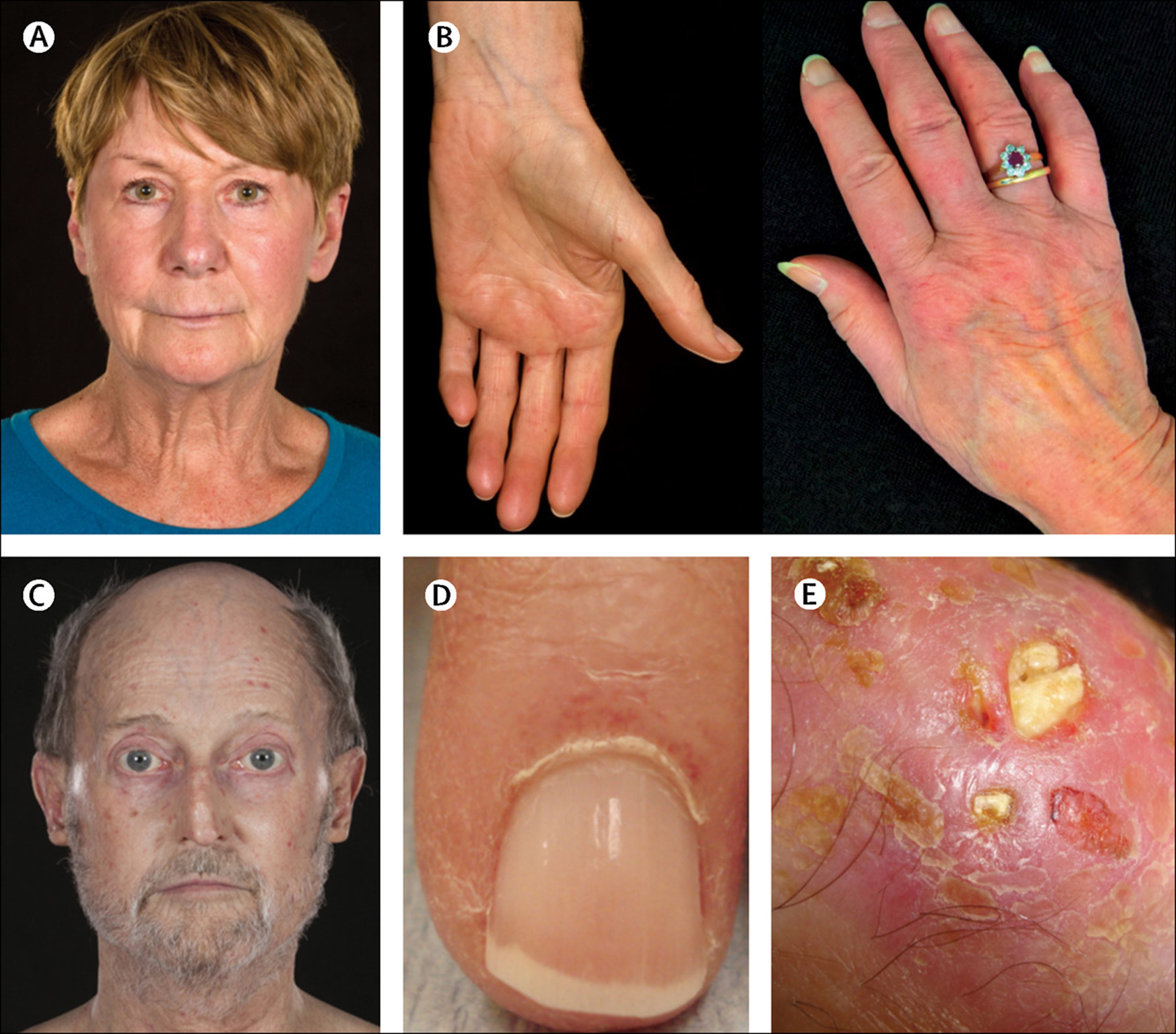
Common symptoms include skin thickening, tightness, and discoloration, especially on the hands and face. Some patients experience joint stiffness, digestive issues such as acid reflux, and fatigue. Raynaud’s phenomenon where fingers and toes turn white or blue in response to cold or stress is often an early sign. Internal involvement can cause shortness of breath, high blood pressure in the lungs (pulmonary hypertension), or kidney issues. Since symptoms can overlap with other autoimmune disorders, thorough evaluation by a specialist is important.
At IRIS Clinics, advanced diagnostic tools like high-resolution CT scans, echocardiograms, pulmonary function tests, and nailfold capillaroscopy help track changes in skin and organ health. Early detection allows for timely treatment, including medications to control the immune response, reduce inflammation, and improve blood flow. Supportive therapies like physiotherapy, occupational therapy, and nutritional counseling play a vital role in managing daily challenges.
Self-Care and Lifestyle Strategies
Self-care is essential in managing scleroderma. Patients can significantly improve their well-being with these practices:
1. Skin Care
- Keep skin moisturized to prevent dryness and cracking.
- Use gentle cleansers and avoid harsh chemicals.
- Protect skin from cold and sun exposure with gloves and sunscreen.
2. Managing Raynaud’s Phenomenon
- Wear warm gloves and socks in cold environments.
- Avoid sudden temperature changes and stress, which can trigger attacks.
- Medications may be prescribed to improve blood circulation.
3. Nutrition and Digestive Health
- Eat smaller, frequent meals to reduce acid reflux.
- Avoid foods that worsen heartburn, such as spicy or fatty meals.
- Stay hydrated and maintain a balanced diet rich in vitamins and minerals.
4. Joint and Muscle Care
- Gentle stretching and exercise improve flexibility and reduce stiffness.
- Occupational therapy can help adapt daily tasks to minimize strain.
- Rest is equally important to avoid fatigue and flares.
5. Mental and Emotional Health
- Living with a chronic condition can be challenging. Support groups, counseling, and mindfulness practices reduce stress and anxiety.
- At IRIS Clinics, our integrated care model includes mental health support as part of routine treatment.
Medical Advances in Scleroderma Care
Though there is no cure for scleroderma, modern medicine offers several options to control symptoms and slow progression. At IRIS Clinics, treatment plans are highly individualized and may include:
- Immunosuppressive drugs to reduce immune system activity.
- Vasodilators to improve blood flow and prevent organ damage.
- Anti-fibrotic therapies that reduce excessive collagen buildup.
- Advanced biologic medications for patients with systemic involvement.
- Physical therapy and rehabilitation programs to maintain mobility.
For patients with lung or heart complications, regular monitoring ensures timely adjustments in therapy. Surgical interventions, such as esophageal dilation or even organ transplantation, are reserved for advanced cases but may be life-saving. Research continues to uncover promising therapies, including stem cell transplants and targeted molecular drugs, giving hope for more effective future treatments.
At IRIS Clinics, we believe in a holistic approach combining medication, lifestyle guidance, and emotional support. Our specialists work closely with patients to set realistic goals, track progress, and adapt treatment as needed. Education is a key component, empowering patients to understand their condition and actively participate in their care journey.