




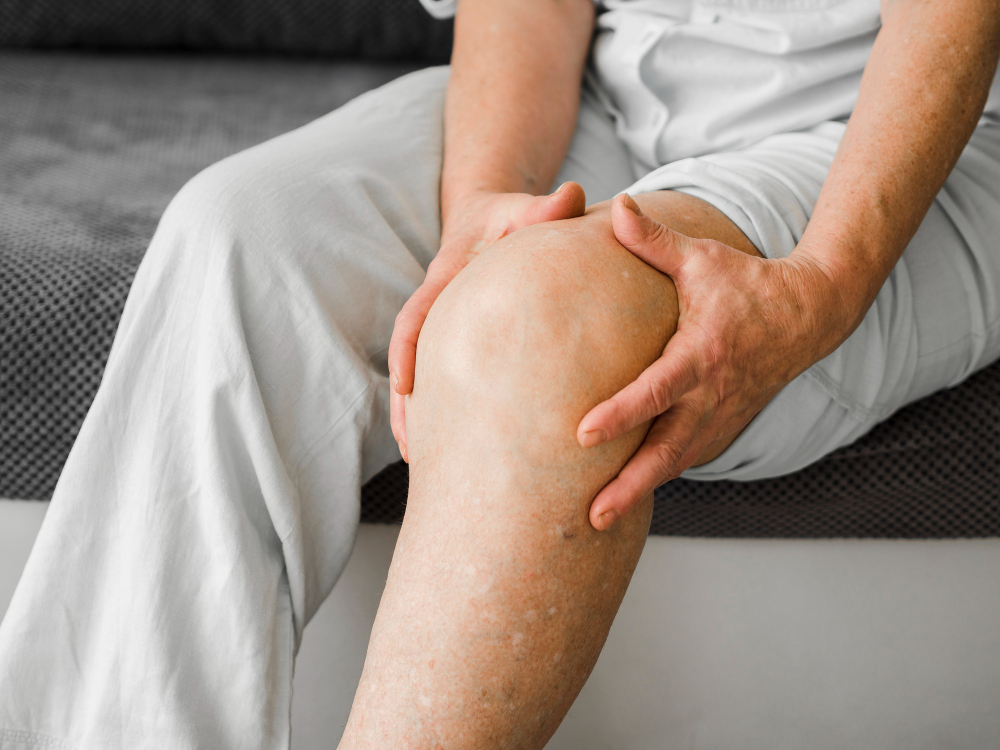
Treatment and Recovery from Reactive Arthritis: What to Expect
Reactive Arthritis (ReA) is an inflammatory joint condition that typically develops as a response to an infection in another part of the body, most often affecting the urinary tract, genitals, or intestines. Although the infection may resolve, the immune system remains active, causing inflammation in the joints, tendons, and sometimes even the eyes, skin, and urinary tract. At IRIS Clinics, we treat many patients who present with pain, swelling, and stiffness after infections, highlighting the importance of early recognition and specialized care.
Unlike osteoarthritis or rheumatoid arthritis, reactive arthritis does not originate from wear and tear or autoimmune attack on joint tissues alone. Instead, it is triggered by a bacterial or viral infection, leading to immune-mediated inflammation. The knees, ankles, and feet are most commonly involved, though it can also affect the wrists, fingers, lower back, and Achilles tendon. If not managed promptly, symptoms can become chronic, resulting in persistent discomfort and mobility issues.
Understanding the treatment and recovery journey of reactive arthritis is essential. At IRIS Clinics, our rheumatology team uses advanced diagnostics, including blood tests, imaging, and infection screening, to identify the underlying cause and create a personalized treatment plan for long-term relief and functional recovery.
Symptoms of reactive arthritis often develop within 1–4 weeks after the initial infection. Key signs include joint pain and swelling, tenderness in heels or soles, stiffness in the lower back, and sometimes inflammation in the eyes (conjunctivitis) or urinary discomfort. Skin changes such as rashes or mouth ulcers can also occur. Recognizing these early is vital to prevent complications.
The progression and severity vary between individuals. Some patients experience mild symptoms that resolve in a few months, while others develop recurring flare-ups or persistent arthritis. At IRIS Clinics, our approach involves not only treating the inflammation but also addressing any active or residual infections and monitoring overall health with follow-up care.
Treatment Options for Reactive Arthritis
Here’s a comprehensive look at how reactive arthritis is managed effectively at IRIS Clinics:
1. Medications
- Antibiotics: If an active infection is detected, targeted antibiotics help eliminate the bacteria causing the initial trigger.
- Anti-inflammatory drugs: NSAIDs (non-steroidal anti-inflammatory drugs) reduce pain, swelling, and stiffness in affected joints.
- Corticosteroid injections: In cases of severe joint inflammation, local injections provide rapid relief.
- DMARDs: For patients with persistent or recurrent symptoms, disease-modifying anti-rheumatic drugs may be considered to control inflammation.
2. Physiotherapy and Lifestyle Care
- Gentle exercises and stretching routines to maintain flexibility and prevent stiffness.
- Strength training to support weakened muscles around affected joints.
- Use of orthotics or supportive footwear for foot and ankle involvement.
- Lifestyle changes including healthy diet, stress management, and smoking cessation to improve recovery.
3. Monitoring and Long-Term Care
- Regular follow-up visits at IRIS Clinics to track symptom progression and adjust treatment.
- Blood tests and imaging (ultrasound or MRI) for monitoring inflammation levels.
- Early identification and treatment of recurring infections to prevent future flare-ups.
- Counseling on managing fatigue, work-life balance, and emotional well-being during recovery.
Recovery Timeline and Expectations
Recovery from reactive arthritis varies. For many, symptoms improve within 3–6 months with proper treatment, while others may take longer. It’s important to stay consistent with medications, exercises, and follow-up care. In some cases, mild joint pain or stiffness may persist intermittently, but early intervention significantly reduces the risk of long-term disability. At IRIS Clinics, we emphasize patient education, empowering individuals to recognize warning signs and seek timely medical help.
A holistic approach—including treating infections, reducing inflammation, and rehabilitating joints—is the cornerstone of successful recovery. With advancements in rheumatology care, most patients with reactive arthritis can return to normal activities, including work, sports, and travel, without limitations.