




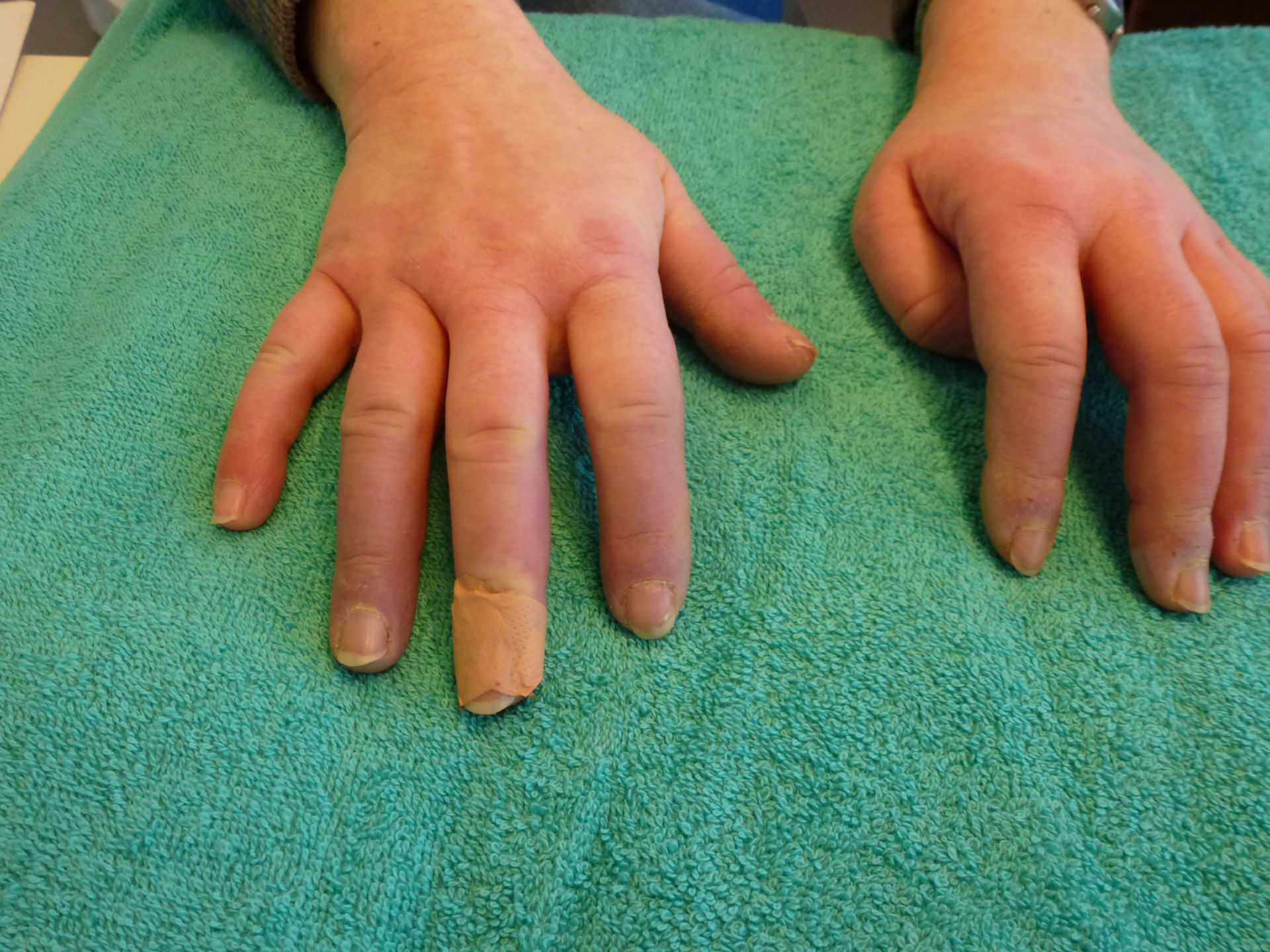
Treatment and Management of MCTD: What You Should Know
Mixed Connective Tissue Disease (MCTD) is a rare autoimmune condition that combines features of multiple connective tissue disorders, including systemic lupus erythematosus (SLE), scleroderma, polymyositis, and sometimes rheumatoid arthritis. At IRIS Clinics, we emphasize early diagnosis and a comprehensive treatment approach, as MCTD can affect multiple organ systems, including joints, muscles, lungs, heart, and skin. Because its symptoms overlap with other autoimmune diseases, timely recognition and tailored management are crucial for maintaining quality of life.
Unlike wear-and-tear conditions, MCTD develops when the immune system mistakenly targets the body’s own connective tissues, leading to chronic inflammation and tissue damage. The exact cause is unknown, but genetic and environmental factors may contribute. Early treatment is vital to slow disease progression and prevent irreversible damage to vital organs. Left unmanaged, MCTD can lead to complications such as pulmonary hypertension, interstitial lung disease, and severe joint and muscle weakness.
At IRIS Clinics, we understand that each patient’s journey with MCTD is unique. Our rheumatology specialists use advanced diagnostic tools, including ANA testing, ENA panels, imaging studies, and organ function assessments, to ensure a precise diagnosis and personalized care plan.
Symptoms of MCTD often appear gradually and may vary widely. Common signs include joint pain and swelling, muscle weakness, Raynaud’s phenomenon (cold fingers and toes turning white or blue), skin thickening, and fatigue. Some patients also experience difficulty swallowing, shortness of breath, or heart and kidney involvement. Because the disease can mimic or transition into other autoimmune conditions, regular monitoring is critical.
At IRIS Clinics, our goal is to not only control symptoms but also protect long-term organ function. Through routine check-ups, laboratory monitoring, and advanced imaging, we track disease activity closely. This allows our specialists to adjust treatment plans promptly to minimize flares and complications.
MCTD Treatment Strategies
Management of MCTD requires a multi-pronged approach that targets inflammation, immune system activity, and organ protection. Below are key aspects of treatment:
1. Medications
- Corticosteroids are often prescribed initially to reduce inflammation and control flares.
- Disease-modifying antirheumatic drugs (DMARDs) like methotrexate, azathioprine, or mycophenolate mofetil may be used to suppress immune overactivity.
- For lung or heart involvement, stronger immunosuppressants or biologics may be considered.
- Medications for symptom relief, such as vasodilators for Raynaud’s, nonsteroidal anti-inflammatory drugs (NSAIDs), and pain management strategies.
2. Lifestyle and Supportive Therapies
- Physiotherapy and gentle exercise programs maintain muscle strength and joint flexibility.
- Balanced nutrition, stress management, and adequate rest support immune balance and energy levels.
- Protective measures for Raynaud’s, such as wearing gloves, avoiding cold exposure, and stress reduction techniques.
- Patient education programs at IRIS Clinics help individuals understand their condition and actively participate in management.
3. Monitoring and Preventing Complications
- Regular lung and heart evaluations, including echocardiograms and pulmonary function tests, to detect early signs of complications.
- Routine blood work to assess inflammation, kidney and liver function, and autoantibody levels.
- Early intervention for organ involvement reduces long-term risks and preserves function.
- Coordination with other specialists (pulmonologists, cardiologists, nephrologists) ensures comprehensive care.
4. Personalized Care at IRIS Clinics
- Each treatment plan is tailored to disease severity and organ involvement.
- We integrate the latest medical research, targeted biologic therapies, and rehabilitation to enhance outcomes.
- Patient support groups and counseling help address emotional and psychological aspects of living with a chronic autoimmune condition.
- Our multidisciplinary team focuses on improving daily function and preventing long-term disability.
Living with MCTD requires consistent medical attention, but with early detection and personalized care at IRIS Clinics, patients can lead active, fulfilling lives. Our comprehensive approach combines medication, therapy, education, and ongoing support to manage symptoms, protect organs, and improve quality of life. If you experience persistent joint pain, fatigue, or symptoms suggestive of an autoimmune disorder, consult our specialists for timely evaluation and intervention.