




Managing HSP: Treatment and Recovery Tips from IRIS Clinics
Henoch-Schönlein Purpura (HSP) is a rare autoimmune condition that causes inflammation of small blood vessels, resulting in a distinctive purplish rash, joint pain, abdominal discomfort, and sometimes kidney involvement. Though more common in children, adults can also develop HSP, often with more severe symptoms. At IRIS Clinics, we understand the unique challenges of diagnosing and managing HSP, and our multidisciplinary approach ensures patients receive timely care to prevent complications and support long-term recovery.
HSP occurs when the immune system mistakenly triggers inflammation in the capillaries, leading to leakage of blood and immune complexes into the skin, joints, gut, and kidneys. While the exact cause is unknown, HSP often follows infections such as respiratory illnesses or, rarely, reactions to medications or vaccinations. Though many cases resolve on their own, some require medical intervention to manage symptoms and prevent organ damage.
Early recognition and treatment of HSP symptoms are critical. At IRIS Clinics, our rheumatologists, pediatric specialists, and nephrologists work together to monitor symptoms, assess kidney health, and design personalized treatment plans for each patient’s unique needs.
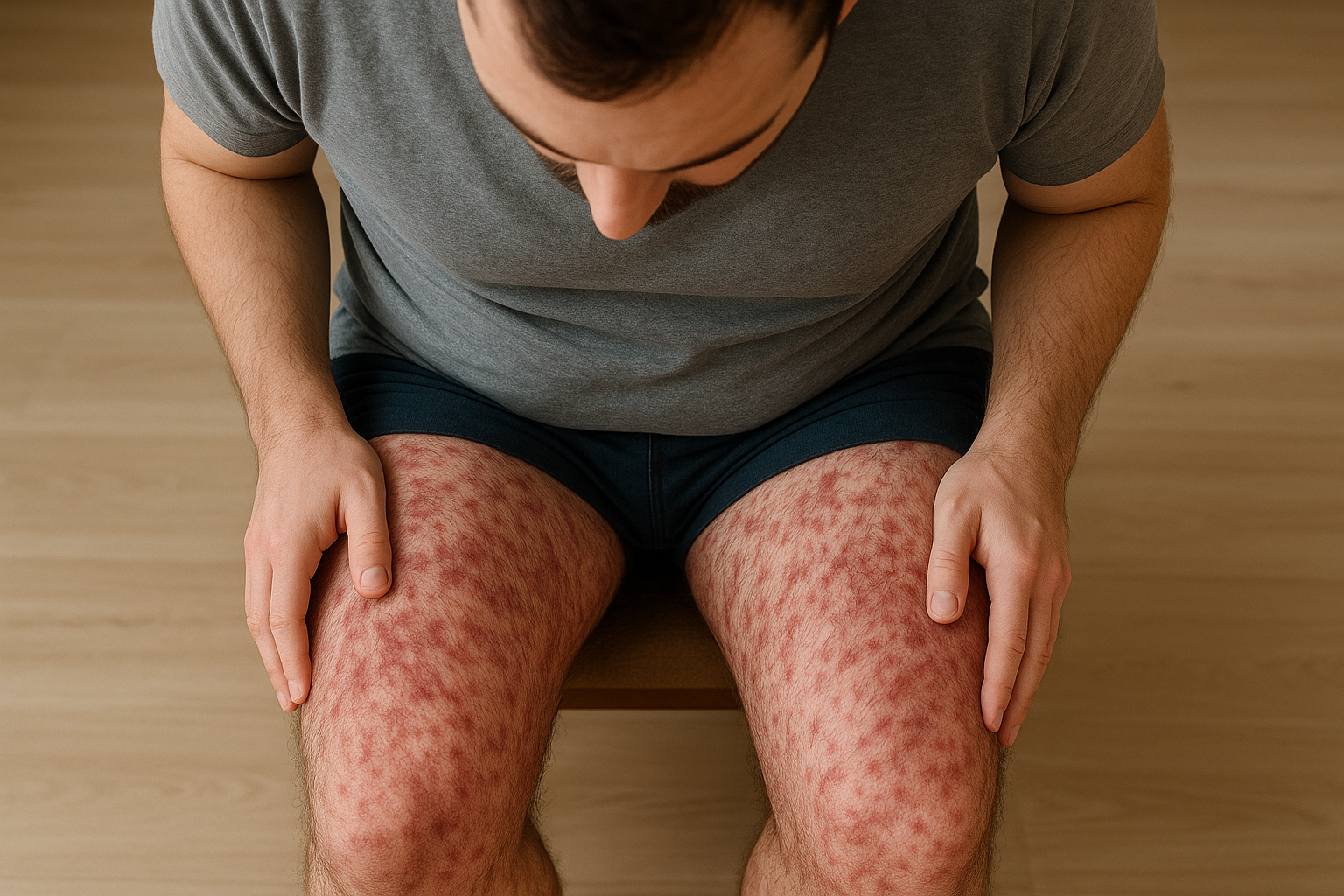
Symptoms of HSP vary widely. The hallmark sign is a reddish-purple rash, often seen on the legs, buttocks, and sometimes arms. Joint pain and swelling, especially in knees and ankles, are common and may cause difficulty walking. Some patients experience abdominal pain, vomiting, or blood in the stool, signaling gastrointestinal involvement. Kidney inflammation can lead to blood or protein in urine, which may progress silently without visible symptoms, emphasizing the importance of laboratory monitoring.
At IRIS Clinics, our diagnostic approach includes detailed clinical examination, urinalysis, blood tests, and imaging if necessary. Identifying kidney involvement early is essential to avoid long-term issues. Each patient is closely monitored throughout their recovery, as HSP can occasionally recur or cause lingering complications.
Treatment and Recovery Strategies for HSP
Here’s how HSP is managed at IRIS Clinics with a focus on symptom control and prevention of complications:
1. Skin and Joint Care
- Rash is usually self-limiting, but supportive care like rest and hydration can aid recovery.
- Nonsteroidal anti-inflammatory drugs (NSAIDs) help manage mild joint pain and swelling.
- In cases of severe arthritis, short courses of corticosteroids may be prescribed for faster relief.
2. Abdominal Symptoms
- For patients with significant abdominal pain or gastrointestinal bleeding, corticosteroids and supportive therapy are often used.
- Dietary adjustments and close monitoring are crucial to avoid complications such as intussusception (a rare intestinal obstruction).
- Hospital observation may be required for persistent or severe GI symptoms.
3. Kidney Monitoring and Protection
- Regular urine tests and blood work help detect early signs of nephritis.
- In cases of significant proteinuria or hematuria, immunosuppressive medications may be necessary.
- Long-term follow-up is recommended, as some patients may develop chronic kidney disease if untreated.
4. Supportive and Preventive Measures
- Rest, adequate hydration, and symptom monitoring form the basis of care.
- Avoiding known triggers and managing underlying infections help prevent relapses.
- Education for families and patients on warning signs ensures timely medical attention.
HSP is often temporary, but close observation and proper treatment are essential to avoid complications. At IRIS Clinics, our holistic care model ensures patients receive the latest therapies and continuous support. From diagnosis to follow-up, we focus on reducing symptoms, protecting kidney function, and helping patients return to their daily activities with confidence.