
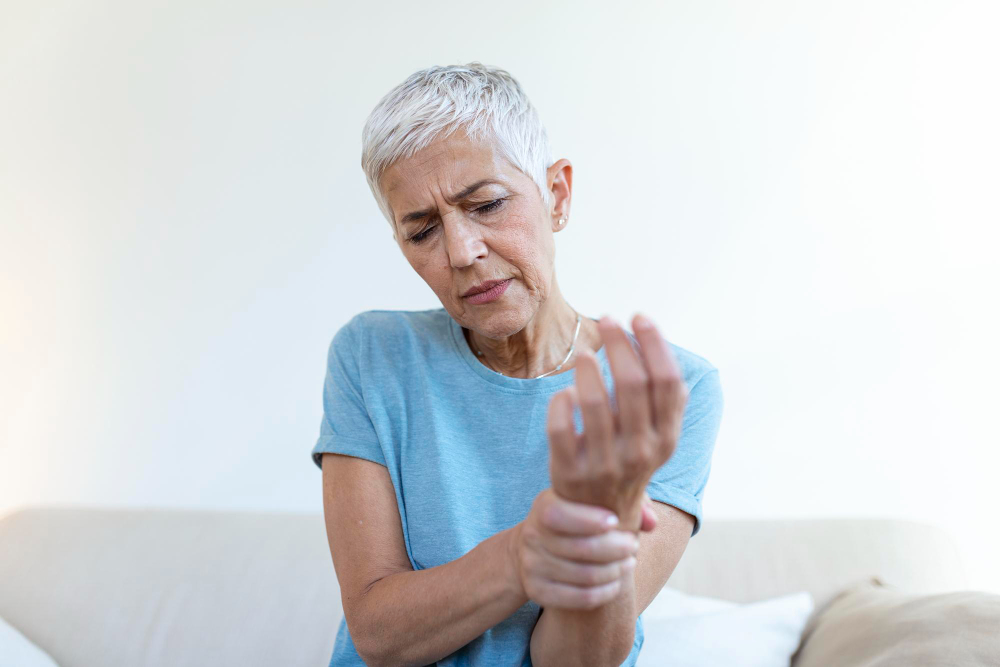
Prevention and Treatment of Hemophilic Joint Damage
Hemophilia is a rare bleeding disorder where the blood doesn’t clot properly, leading to prolonged bleeding after injuries and sometimes spontaneous bleeding episodes. One of the most serious complications of hemophilia is joint damage, also known as hemophilic arthropathy, which occurs due to repeated bleeding into joints such as knees, ankles, and elbows. At IRIS Clinics, we emphasize early prevention and comprehensive treatment to minimize long-term complications and improve quality of life.
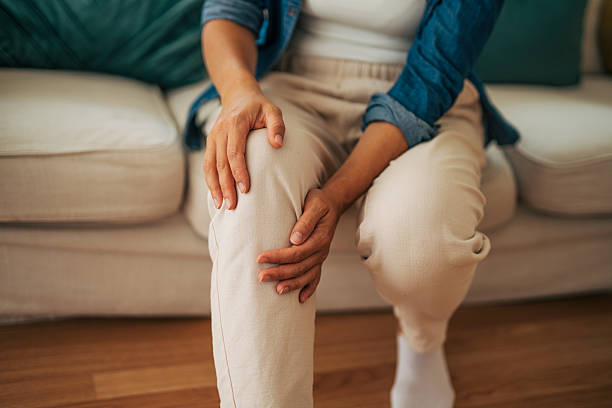
Joint bleeds in hemophilia occur when blood leaks into the joint spaces, causing inflammation, pain, and restricted movement. Recurrent bleeding episodes damage the joint lining (synovium) and cartilage, eventually leading to chronic joint deformities and disability if untreated. Early intervention is key to preventing irreversible damage.
Understanding hemophilic joint damage and implementing timely treatment can dramatically reduce long-term disability. At IRIS Clinics, our multidisciplinary approach combines hematology expertise, physiotherapy, and advanced imaging to provide individualized care and protect joint health.
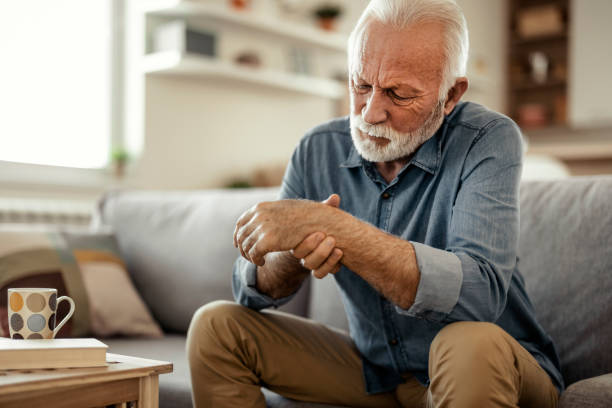
The symptoms of joint bleeding may include warmth, swelling, pain, and limited motion in the affected joint. Children and adults with hemophilia are at risk, and bleeds often happen without a clear injury. Repeated joint bleeding can occur silently, causing progressive damage. That’s why routine monitoring and preventive strategies are critical to maintaining mobility and independence.
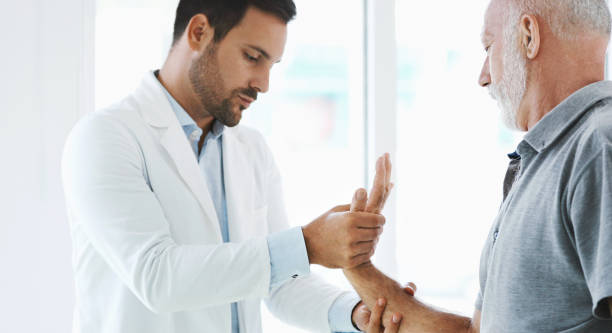
At IRIS Clinics, early detection through clinical assessment and imaging such as MRI or ultrasound helps identify joint changes before they become severe. Regular follow-ups allow us to track disease progression and adjust treatment plans accordingly.
Prevention and Management Strategies
Here’s how hemophilic joint damage can be prevented and treated effectively:
1. Preventive Care (Prophylaxis)
- Regular infusion of clotting factor concentrates helps prevent spontaneous bleeds.
- Education on safe physical activity reduces the risk of trauma and bleeding.
- Protective gear and lifestyle adjustments for children and athletes with hemophilia.
2. Early Treatment of Joint Bleeds
- Immediate replacement therapy at the first sign of bleeding is crucial.
- Rest, ice, compression, and elevation (RICE) to control swelling and pain.
- Close monitoring for recurrent bleeds in the same joint.
3. Rehabilitation and Physiotherapy
- Targeted exercises restore strength and range of motion.
- Hydrotherapy and gentle stretching reduce stiffness and improve joint function.
- Preventing muscle wasting is key to protecting joint alignment.
4. Surgical and Advanced Options
- In severe cases, synovectomy (removal of damaged joint lining) or joint replacement may be needed.
- Minimally invasive techniques help restore mobility and reduce pain.
- At IRIS Clinics, these procedures are combined with personalized rehabilitation for optimal outcomes.
5. Lifestyle and Long-Term Joint Care
- Maintaining a healthy weight reduces strain on joints.
- Regular checkups and patient education ensure proactive care.
- Avoiding high-impact activities helps preserve joint integrity over time.
At IRIS Clinics, our care doesn’t end with treatment. We focus on long-term support, guiding patients and families through education, prevention, and ongoing rehabilitation. Our comprehensive hemophilia care program aims to reduce joint damage, enhance mobility, and help patients live active, fulfilling lives despite the challenges of this condition.