



Hemophilic Arthropathy: How Bleeding Disorders Affect Your Joints
Hemophilic arthropathy is a serious joint complication that develops over time in people with bleeding disorders like Hemophilia A, Hemophilia B, and other rare clotting factor deficiencies. At IRIS Clinics, we frequently see patients whose first signs of joint damage are related to recurrent bleeding episodes. Understanding this condition early is critical, as untreated bleeding can gradually destroy cartilage, bone, and surrounding tissues, leading to chronic pain, stiffness, and disability.
Unlike arthritis caused by autoimmune conditions, hemophilic arthropathy occurs because of repeated bleeding into the joints (hemarthrosis). Each bleeding episode causes inflammation of the joint lining (synovium), which thickens over time and releases enzymes that damage cartilage. This ongoing cycle of bleeding and inflammation eventually leads to joint space narrowing, deformities, and significant loss of mobility if not addressed promptly.
Early intervention is key. At IRIS Clinics, our multidisciplinary approach—combining hematology, rheumatology, and advanced imaging—helps identify early joint changes in people with bleeding disorders and prevents long-term complications through personalized care and treatment planning.
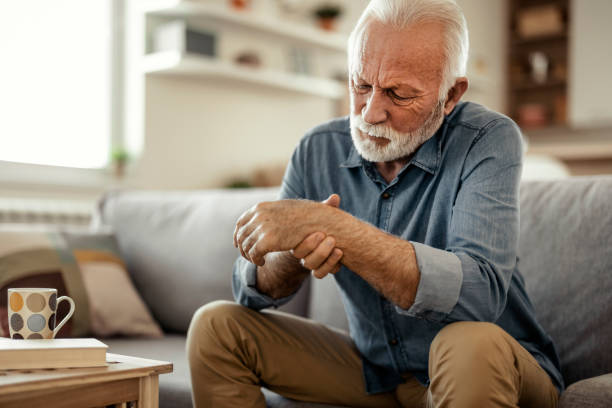
Common symptoms of hemophilic arthropathy include joint pain, swelling, warmth, and restricted movement. In the early stages, patients often experience a “tingling” sensation or tightness before visible swelling occurs. Over time, the affected joint may become chronically inflamed, causing persistent discomfort even between bleeding episodes. Without timely treatment, this can result in significant joint deformity and disability.
Every patient’s journey is unique. Some may experience frequent spontaneous bleeds, while others have occasional joint issues triggered by injury or physical activity. That’s why regular joint assessment at IRIS Clinics, supported by imaging techniques such as MRI and ultrasound, is essential to track joint health, assess bleeding frequency, and guide appropriate prophylactic therapy or rehabilitation.
Hemophilic Arthropathy in Major Joints
Although any joint can be affected, bleeding tends to occur more frequently in weight-bearing and high-mobility joints. Here’s how it typically affects key areas:
1. Knees
- One of the most commonly affected joints in hemophilia.
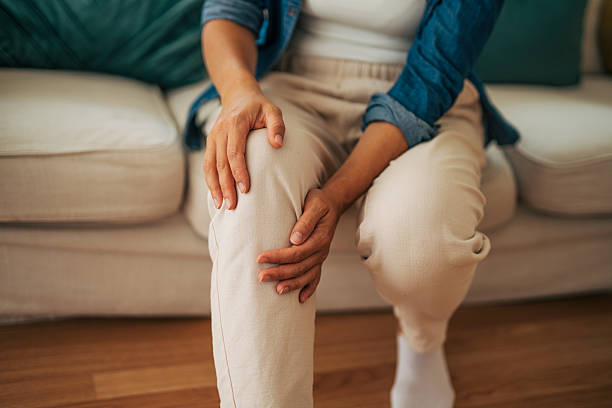
- Recurrent bleeding causes swelling, warmth, and limited range of motion.
- Over time, patients may experience chronic pain and difficulty walking or climbing stairs.
- Severe cases may lead to joint instability and need surgical intervention such as synovectomy or joint replacement.
2. Ankles
- Frequent bleeds lead to tenderness, stiffness, and restricted motion.
- Patients often report difficulty running or standing for long periods.
- Repeated hemarthrosis can cause cartilage loss and permanent deformity if untreated.
3. Elbows
- Common site for bleeding episodes, especially in active individuals.
- Symptoms include swelling, pain during extension, and progressive stiffness.
- Long-term damage can limit the ability to lift, rotate, or straighten the arm fully.
4. Hips and Shoulders
- Less commonly affected but still at risk, especially in severe hemophilia.
- Bleeding can cause deep joint pain and significant mobility restrictions.
- Early recognition is essential to avoid surgical intervention and preserve joint function.
At IRIS Clinics, treatment strategies for hemophilic arthropathy are tailored to the patient’s bleeding history and joint health. These may include factor replacement therapy, prophylactic infusions, physiotherapy, orthotic support, and minimally invasive interventions to prevent further joint damage. For advanced cases, surgical options such as arthroscopic synovectomy, joint replacement, or radiosynovectomy are considered to restore function and reduce pain.
Preventive care is crucial. Educating patients and caregivers on recognizing early signs of joint bleeding, avoiding high-risk activities, and maintaining a physiotherapy routine can dramatically reduce joint complications. At IRIS Clinics, our rehabilitation programs focus on strengthening muscles around vulnerable joints, improving balance, and enhancing mobility, helping patients live active, independent lives.