




Living with Dermatomyositis: Treatment and Lifestyle Tips
Dermatomyositis (DM) is a rare autoimmune condition that causes inflammation of the muscles and distinctive skin changes. It can affect people of any age, including children and adults, and is characterized by muscle weakness, skin rashes, and sometimes complications involving the lungs, heart, or gastrointestinal tract. At IRIS Clinics, we frequently encounter patients seeking clarity on this condition, and early diagnosis is critical for successful management. Understanding the symptoms, treatment options, and lifestyle adjustments can help patients maintain independence and improve quality of life.
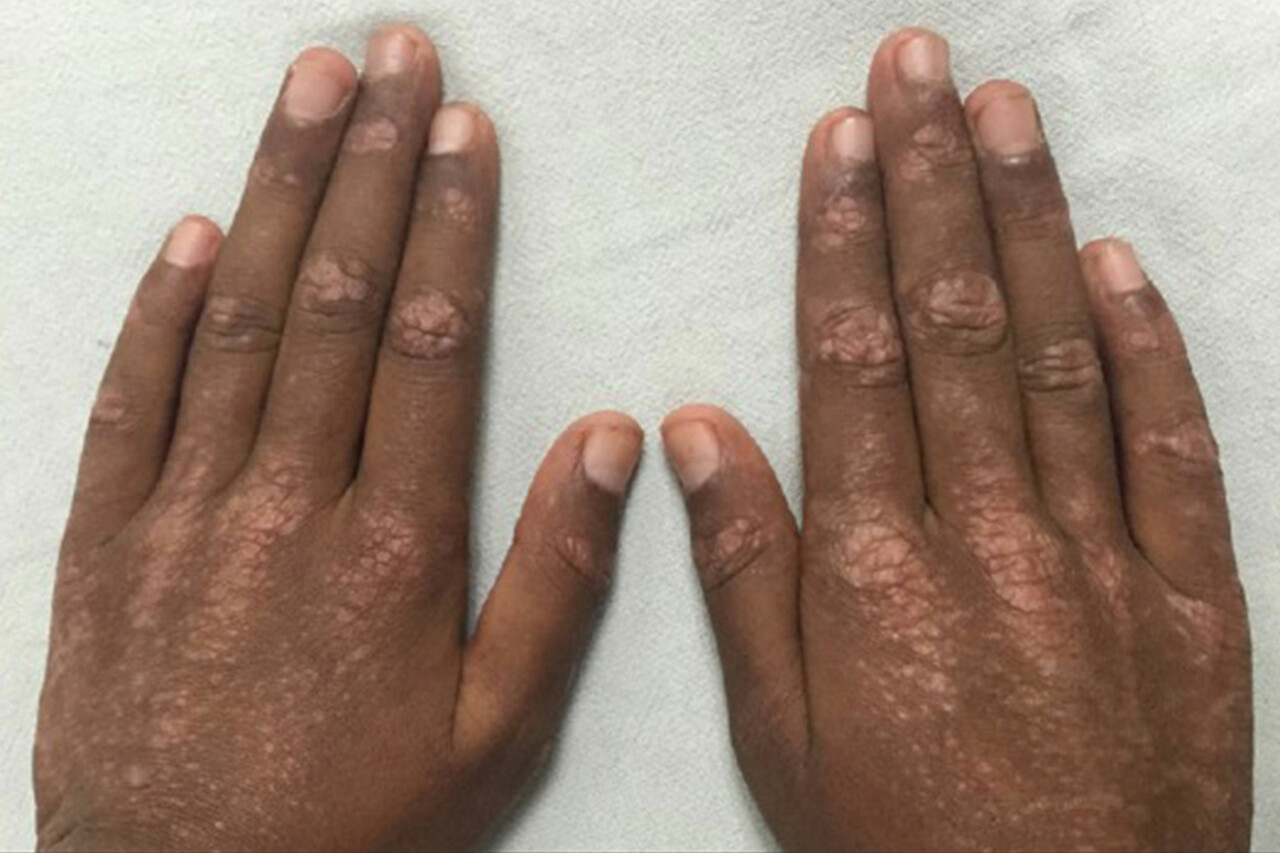
Unlike general muscle fatigue or joint issues, dermatomyositis is triggered by the immune system mistakenly attacking healthy tissues. This leads to muscle inflammation, weakness, and distinctive rashes, often on the face, eyelids, knuckles, elbows, knees, or chest. Left untreated, DM can cause progressive muscle damage, swallowing difficulties, and even respiratory complications. The goal of treatment at IRIS Clinics is to suppress immune activity, reduce inflammation, and protect muscle strength for long-term health.
Living with dermatomyositis can be challenging, but with the right medical care, symptom management, and daily lifestyle adjustments, patients can lead active and fulfilling lives. At IRIS Clinics, we provide advanced diagnostic tools and personalized care plans to help patients navigate this condition with confidence.
Common symptoms include gradual muscle weakness, particularly in the shoulders, hips, thighs, and neck, making tasks like climbing stairs, lifting objects, or even rising from a chair difficult. The hallmark skin rash may appear before or alongside muscle symptoms and can be aggravated by sun exposure. Additional signs can include fatigue, weight loss, joint pain, and sensitivity in affected areas. Since DM can mimic other conditions, comprehensive evaluation including blood tests, muscle enzymes, EMG, MRI, and skin or muscle biopsy is essential for accurate diagnosis.
The progression and severity of dermatomyositis vary among individuals. Some experience mild symptoms that stabilize with treatment, while others face recurrent flare-ups requiring long-term care. Regular follow-ups at IRIS Clinics ensure ongoing assessment of muscle strength, skin health, and organ involvement, helping to adjust treatment strategies promptly.
Treatment and Lifestyle Guidance for Dermatomyositis
An effective management plan combines medical therapies with supportive care and healthy daily habits. Here’s how IRIS Clinics approaches treatment and lifestyle support for DM patients:
1. Medications and Medical Interventions
- Corticosteroids to quickly control inflammation and muscle weakness.
- Immunosuppressive drugs (such as methotrexate or azathioprine) to reduce immune system activity.
- Biologic therapies or IV immunoglobulin (IVIG) in resistant cases.
- Topical treatments and sun-protection measures to manage skin rashes and prevent flare-ups.
- Physical and occupational therapy to maintain flexibility and prevent contractures.
2. Lifestyle Modifications and Supportive Care
- Gentle exercise and strengthening routines, guided by physiotherapists, to improve mobility.
- Energy conservation techniques to manage fatigue and avoid overexertion.
- Nutritious, anti-inflammatory diet focusing on lean proteins, whole grains, fruits, and omega-3 fatty acids.
- Skin care, including high-SPF sunscreens, protective clothing, and avoiding prolonged sun exposure.
- Counseling and patient education to help manage emotional and mental health challenges.
3. Long-Term Monitoring and Quality of Life
- Regular check-ups to assess muscle strength, enzyme levels, and organ health.
- Adjusting medications based on response and side effects.
- Support groups and rehabilitation programs for long-term adaptation.
- Addressing complications like difficulty swallowing or lung involvement early to prevent severe outcomes.
- Patient and caregiver training for at-home care and flare-up management.
At IRIS Clinics, our multidisciplinary team of rheumatologists, dermatologists, and rehabilitation specialists collaborates to create tailored plans for each dermatomyositis patient. Early intervention and consistent care are key to slowing disease progression, preserving strength, and improving daily function. With the right combination of medical therapy, lifestyle adjustments, and ongoing support, patients can maintain independence and enjoy a better quality of life despite this challenging condition.